Introduction
Dreams offer a deep exploration into our subconscious minds, providing insights into our emotions, thoughts, and creativity. Leveraging sleep sounds can enhance these experiences, improving dream quality and memory recall. This comprehensive guide delves into various sleep sounds, their impact, and how to incorporate them effectively into your sleep routine.
Explore more on dream interpretations at our Dream Meanings Hub.
The Science Behind Sleep Sounds and Dream Enhancement
How Sound Influences Sleep Stages
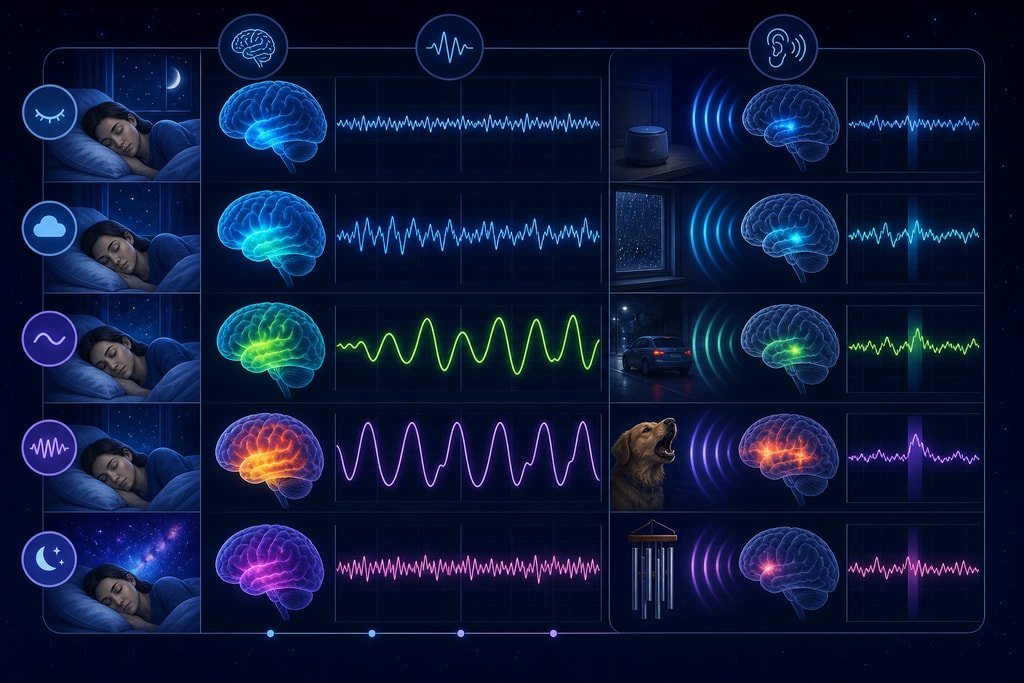
Our sleep cycles consist of various stages, including light sleep, deep sleep, and REM sleep—where vivid dreaming predominantly occurs. Sounds like white noise and nature sounds help stabilize the sleep environment, mask disturbances, and facilitate smoother sleep transitions.
- Practical Example: Using a white noise machine can mask disruptive city sounds, improving continuous sleep and potentially leading to more vivid and memorable dreams.
- Mistake to Avoid: Avoid fluctuating volumes as they can disrupt sleep cycles and affect dream recall negatively.
The Role of Sound in Dream Recall
Sound cues during sleep can enhance memory consolidation by creating strong neural associations. Playing consistent sounds may serve as auditory cues that help you recall dreams upon waking.
- Examples and Criteria: Select sounds that evoke calmness and are easy to incorporate nightly. Consistency is key for building associations.
Types of Sleep Sounds and Their Effects
White Noise
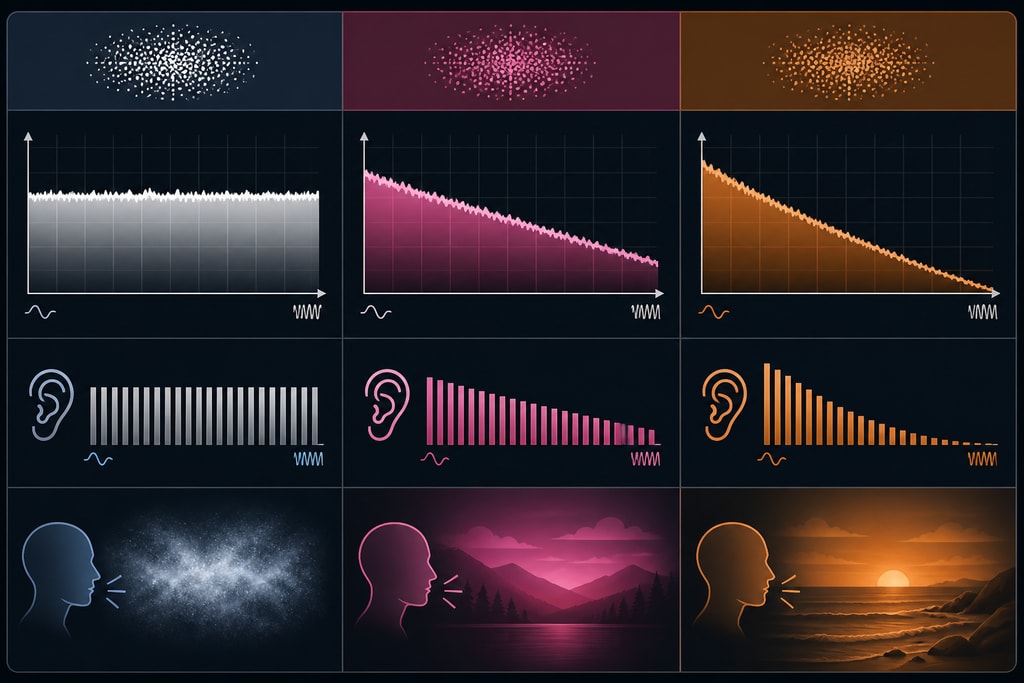
White noise distributes sound frequencies evenly across the audible spectrum, effectively masking background sounds. It's widely used for its ability to improve sleep quality, indirectly enhancing dream recall.
- Decision Criteria: Ideal for those in noisy environments seeking consistent ambient noise.
Pink Noise
Similar to white noise but adjusted to emphasize lower frequencies, pink noise can enhance deep sleep and memory, offering restorative benefits.
- Potential Pitfall: Some users report reduced REM sleep with pink noise. Monitor your individual response.
Brown Noise
Emphasizing even lower frequencies, brown noise provides a deep, rumbling sound. It's less researched but thought to aid in deeper sleep, potentially enriching dream quality.
Nature Sounds
Natural soundscapes like ocean waves and rain create a tranquil environment, potentially influencing dream content and recall positively.
- Survey Insight: A 2023 survey noted that 52% of users found continuous nature sounds improved sleep quality over silence.
Binaural Beats
These involve slightly different frequencies played in each ear, creating a third tone that may influence brainwaves. While promising for enhancing relaxation and potentially dream quality, evidence remains mixed.
- Tips: Start with delta range (0.5–4 Hz) settings for their relaxing effects.
Choosing the Right Sleep Sounds for Enhanced Dreaming
Selecting the right sounds is a personal journey based on preferences and sleep responses. Here are criteria to consider:
- Personal Preference: Sounds should be soothing and non-intrusive.
- Consistency: Use nightly to foster associations aiding dream recall.
- Volume and Duration: Ensure sounds are at a comfortable volume and play throughout sleep to maintain a consistent auditory environment.
Incorporating Sleep Sounds into Your Nightly Routine
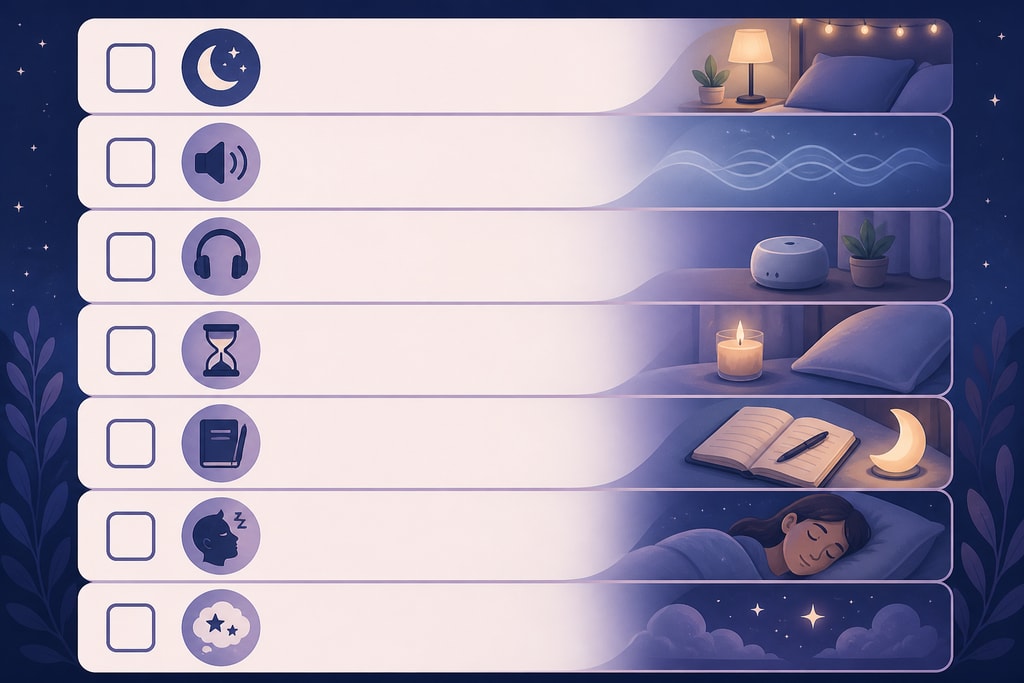
To effectively use sleep sounds, follow these steps:
- Select a Sound Source: Choose from apps, dedicated devices, or streaming services.
- Set a Routine: Incorporate sounds into your bedtime routine to signal sleep readiness.
- Optimize Environment: Minimize light and ensure comfortable bedding.
- Monitor and Adjust: Continuously assess how different sounds affect sleep and dream recall, adapting as needed.
Potential Risks and Considerations
While sleep sounds offer benefits, be mindful of potential drawbacks:
- Reduced REM Sleep: Certain sounds, like pink noise, might affect REM sleep duration, impacting dreaming.
- Dependency: Overdependence on sleep sounds can create difficulties in sleeping without them.
- Disruptive Volumes: Ensure sound levels are optimized to avoid disturbing sleep.
Frequently Asked Questions
Q: Can sleep sounds improve dream recall?
A: Yes, the consistent use of sleep sounds can enhance memory consolidation, aiding in dream recall.
Q: Are there risks associated with sleep sounds?
A: While generally safe, monitor your sleep quality as different sounds can affect stages differently.
Q: How can I maximize the benefits of sleep sounds?
A: Integrate them thoughtfully into your routine, use consistently, and adjust according to personal preferences.
Conclusion
Incorporating sleep sounds into your nightly routine is an effective way to enhance dream quality and recall. Understanding the nuances of different sound types allows for a tailored approach that supports better dream experiences. Monitor your reactions and adjust routines to find a personalized auditory environment that suits your needs.
For further exploration of dream interpretations, visit our Dream Meanings Hub.
Head back to Dreamscape's homepage to discover more resources.