
Understanding Sleep Cycles and Their Impact on Dreams
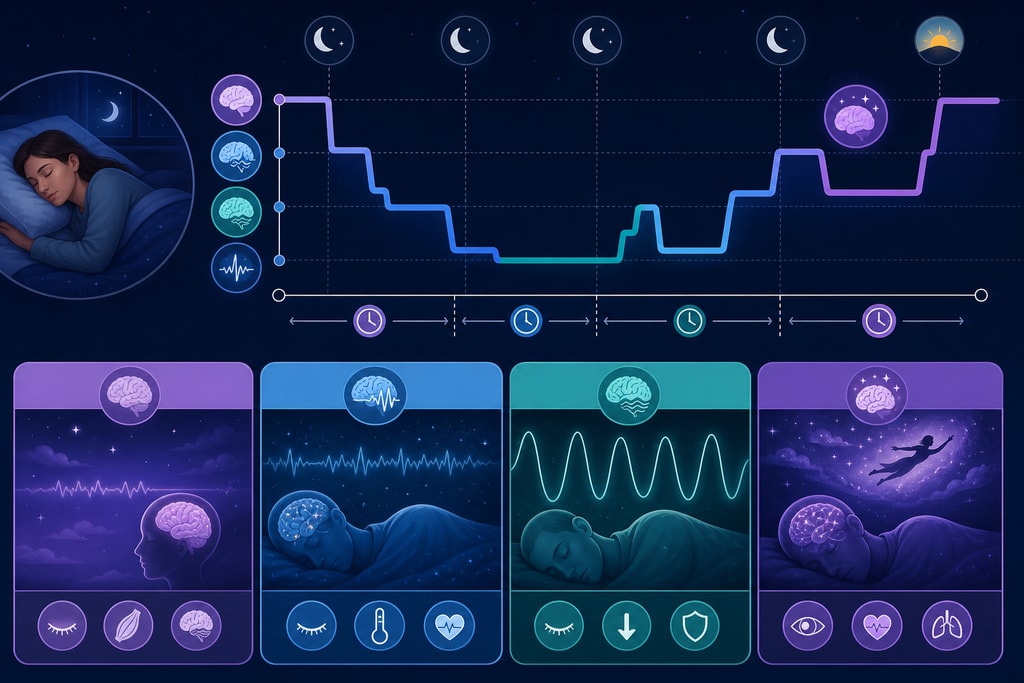
To enhance your dream experiences, it's essential to comprehend the structure of sleep. A typical night consists of multiple sleep cycles, each lasting approximately 90 minutes. These cycles include:
- N1 (Light Sleep): Transition from wakefulness to sleep.
- N2 (Light Sleep): Onset of sleep, characterized by a slowing heart rate and a decrease in body temperature.
- N3 (Deep Sleep): The most physically restorative stage, crucial for tissue repair and immune function.
- REM (Rapid Eye Movement) Sleep: The stage where most vivid dreaming occurs, vital for memory consolidation and emotional processing. Deep sleep dominates the first half of the night, while REM sleep periods lengthen in the latter half. Therefore, maintaining a full night's sleep is crucial to experience extended REM stages, integral to vivid dreaming.
Practical Example
Consider aligning your schedule to ensure at least 5 full 90-minute cycles per night. This translates to 7.5 hours of sleep—ideal for achieving multiple REM periods.
Establishing a Consistent Sleep Schedule
Regular sleep patterns are foundational for enhancing dream quality. Going to bed and waking up at the same time daily helps regulate your body's internal clock, promoting uninterrupted sleep cycles and optimal REM sleep.
Decision Criteria
- Daily Routine Alignment: Choose a bedtime that aligns with your natural wind-down period.
- Flexibility: Allow flexibility on weekends while maintaining a core schedule. Consistency ensures that your body progresses through the necessary stages of sleep, culminating in extended REM periods conducive to vivid dreaming. Explore Dream Meanings to see how your dreams unfold.
Creating an Ideal Sleep Environment
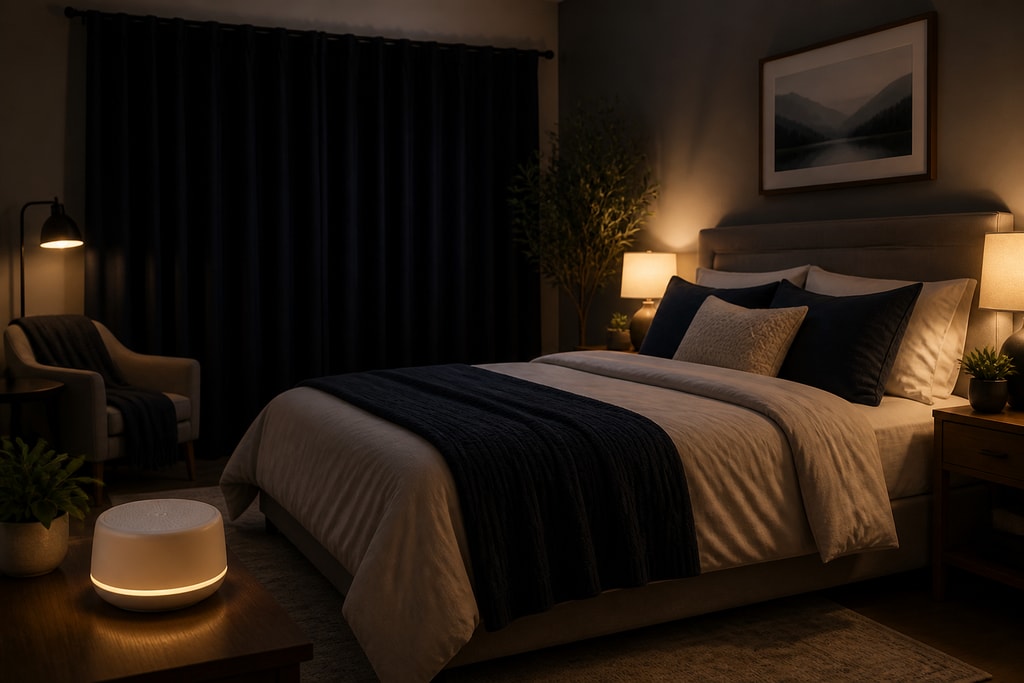
Your bedroom environment significantly influences sleep quality and, consequently, your dream experiences. Consider the following factors:
- Temperature: Maintain a cool room temperature between 65–68°F (18–20°C) to facilitate the body's natural drop in core temperature, promoting sleep onset and maintenance.
- Darkness: Use blackout curtains or a sleep mask to eliminate light exposure, as even minimal light can suppress melatonin production, disrupting sleep cycles.
- Sound: Employ white noise machines or earplugs to mask disruptive noises, ensuring a quiet environment conducive to uninterrupted sleep.
Mistakes to Avoid
- Clutter: Avoid visual clutter that can cause stress and reduce relaxation.
- Electronic Devices: Limit bedroom electronics that emit blue light. Combine these strategies with insights from our Dreamscape homepage.
Implementing a Pre-Sleep Wind-Down Routine A structured wind-down routine signals your body that it's time to transition from wakefulness to sleep. A 60-minute protocol may include:
- Dim the Lights: Reduce exposure to bright and blue light to encourage melatonin production.
- Engage in Relaxing Activities: Read a book, practice gentle yoga, or meditate to calm the mind.
- Avoid Stimulants: Refrain from consuming caffeine or engaging in stimulating activities close to bedtime. This routine helps lower cortisol levels and prepares your body for restful sleep, enhancing the likelihood of vivid dreams.
Topic-Specific Advice
Consider including guided imagery listening sessions to visualize desired dream themes. This technique primes the mind for specific dream experiences.
Utilizing Binaural Beats for Deep Sleep
Binaural beats are auditory illusions created when two tones of slightly different frequencies are played in each ear. Listening to binaural beats in the delta frequency range (0.5–4 Hz) can promote deep sleep, essential for restorative rest, and indirectly enhance REM sleep quality.
Practical Example Create a binaural beat playlist set to play for the first 30 minutes as you settle into sleep.
Test which frequencies yield the best results for you.
Practicing the Wake Back to Bed (WBTB) Technique The
WBTB technique involves waking up after 4.5–6 hours of sleep, staying awake for 15–60 minutes, and then returning to sleep. This method targets the latter part of the night when REM sleep periods are longer, increasing the chances of lucid dreaming.
Mistakes to Avoid
- Overstimulation: Avoid digital screens or stimulating activities during the wake period.
- Too Short/Early of a Wake Period: Ensure the timing allows for natural re-entry into sleep. Combine WBTB with mnemonic induction techniques to further enhance dream recall and lucidity.
Checklist: Enhancing Dream Experiences Through Sleep Routines
- [ ] Maintain a consistent sleep schedule.
- [ ] Optimize your sleep environment (cool, dark, quiet).
- [ ] Establish a relaxing pre-sleep routine.
- [ ] Consider using binaural beats to promote deep sleep.
- [ ] Experiment with the WBTB technique for lucid dreaming.
Frequently Asked Questions **Q:
How long does it take to see improvements in dream recall after establishing a sleep routine? A: Improvements can vary, but many individuals notice enhanced dream recall within a few weeks of maintaining consistent sleep patterns and implementing supportive routines. Q: Are there any risks associated with the WBTB technique? A: While generally safe, the WBTB technique can disrupt sleep if not practiced correctly. Ensure the wake period is not too long and you can return to sleep easily. Q: Can diet affect dream quality? A: Yes, certain foods and supplements, like those rich in vitamin B6, may influence dream vividness and recall. However, more research is needed in this area. Q: What role does exercise play in sleep quality?** A: Regular exercise can enhance sleep quality by reducing stress and promoting deeper sleep cycles.
Sources and Further Reading
- How to Increase Deep Sleep: Science-Backed Strategies
- The Science of Sleep Cycles & Stages, Explained
- Best Binaural Beat Frequencies for Deep Sleep
- WBTB Technique: Wake Back to Bed Lucid Dreaming Guide By integrating these practices into your nightly routine, you can create an environment conducive to richer and more meaningful dream experiences. For further insights and tools to explore your dreams, consider visiting the Dreamscape homepage.