
Unlocking the Emotional Secrets of Dreams: A Comprehensive Guide Dreams, those nightly adventures of the subconscious, have been a subject of fascination and study for centuries.
As we step into, significant advancements in both technology and psychology have deepened our understanding of how dreams act as indicators of our emotional health.
Understanding the Emotional Content of Dreams
Every dream we experience can be laden with emotional significance, reflecting facets of our daily lives and inner psychological state. According to Psychology Today, dreams may reveal unresolved emotions like anxiety and fear, serving as a mirror to our personal emotional landscape.
Theories Behind Dreams and Emotion A variety of theories have been proposed to unravel the connection between dreams and emotions:
- Freudian Theory: Dreams, according to Freud, are gateways to our unconscious desires and emotions, offering a glimpse into our hidden fears and aspirations.
- Jungian Theory: Carl Jung proposed that dreams help balance consciousness and the unconscious mind through archetypal imagery reflecting emotional states.
- Contemporary Research: New studies from the American Psychological Association suggest dreams are a reflection of emotional processing and stress management.
Decision Criteria: How to Choose Which Theory Resonates
- Personal Belief Systems: Do you feel aligned with symbolic interpretations or scientific ones?
- Cultural Background: Consider if cultural perspectives on dreams influence your interpretation.
- Current Life Context: Align your dream interpretation approach with your current emotional challenges.
How Dreams Mirror Emotional Health
Dreams can signal shifts in our emotional well-being and alert us to issues we might not consciously recognize.
Common Emotional Themes in Dreams
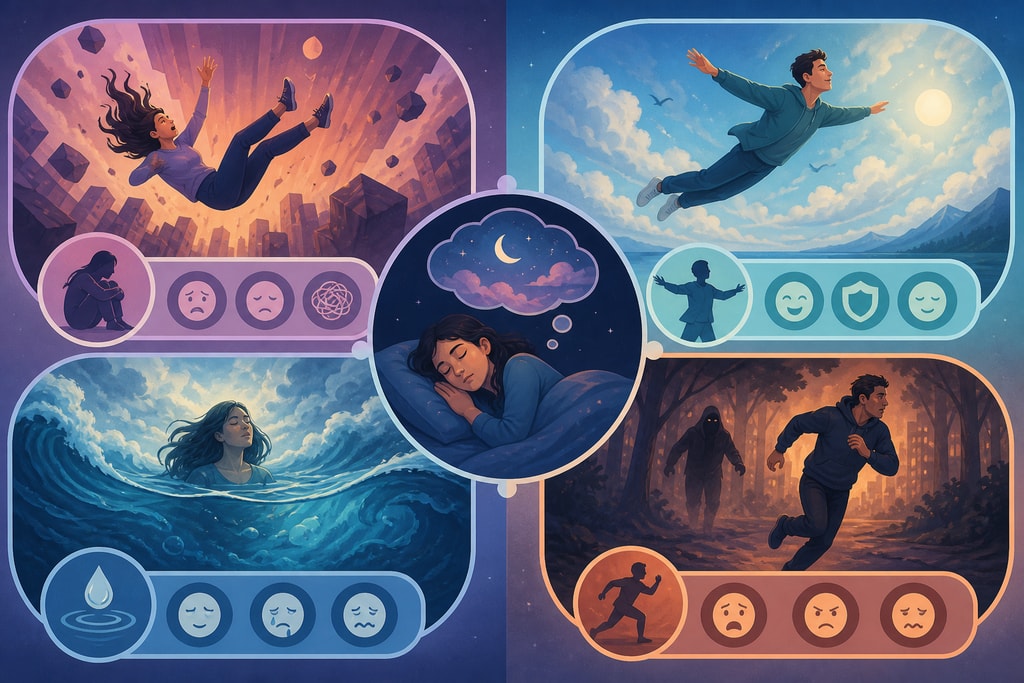
- Anxiety Dreams: Scenarios like falling or being chased are common markers for stress or unresolved issues. Explore Dream of Falling Meaning for more insights.
- Comforting Dreams: Dreams of joy suggest emotional equilibrium.
- Reflective Dreams: Recurring motifs may indicate personal issues or growth journeys.
Practical Examples: Insights from Dream Patterns
- Recurring Symbols: Identifying repeated symbols can reveal patterns in emotional cycles.
- Reflective Dialogues: Consider dialogues in dreams that mirror inner conflicts or resolutions.
Checklist: Analyzing Your Emotional Dreams
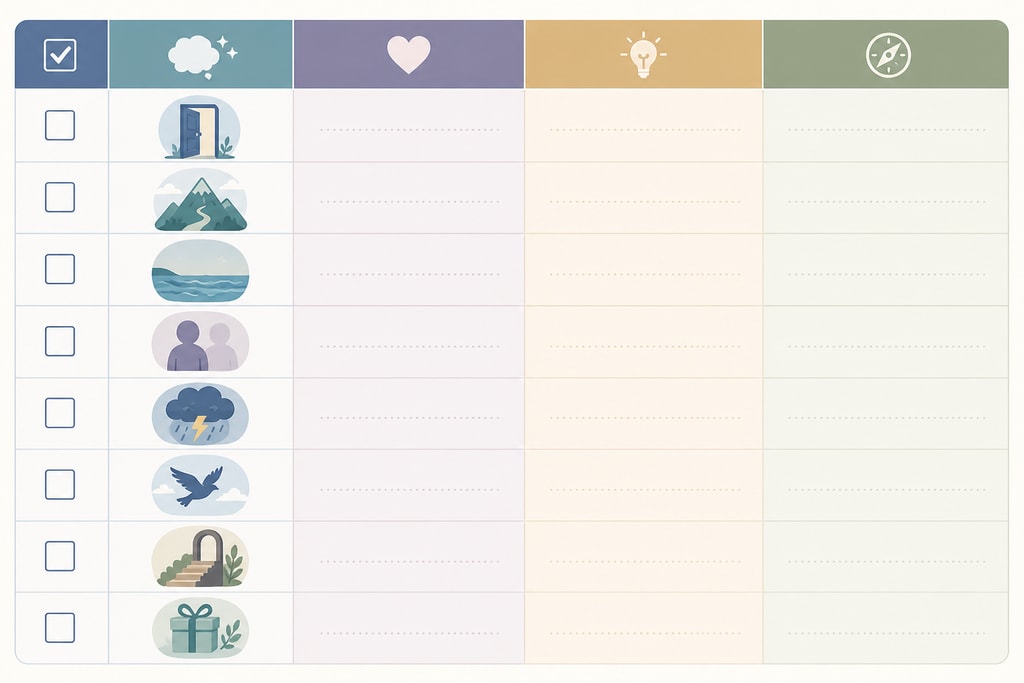
| Dream Element | Possible Emotional Insight | |——————-|————————————————–| | Falling | Anxiety, loss of control | | Flying | Freedom, desire for escape | | Being Chased | Avoidance, fear of confrontation | | Water | Emotions, fluidity in emotional state |
Utilizing Dreams for Emotional Insight
Dream analysis can be a powerful tool for self-reflection. Utilizing modern tools like the Dreamscape app elevates your journey into understanding these profound messages.
How to Use Dream Journals
- Record Promptly: Note dreams immediately to preserve detail.
- Identify Patterns: Regular analysis can expose recurring themes.
- Reflect on Emotions: Connect dream emotions to waking life challenges.
Using AI for Dream Interpretation
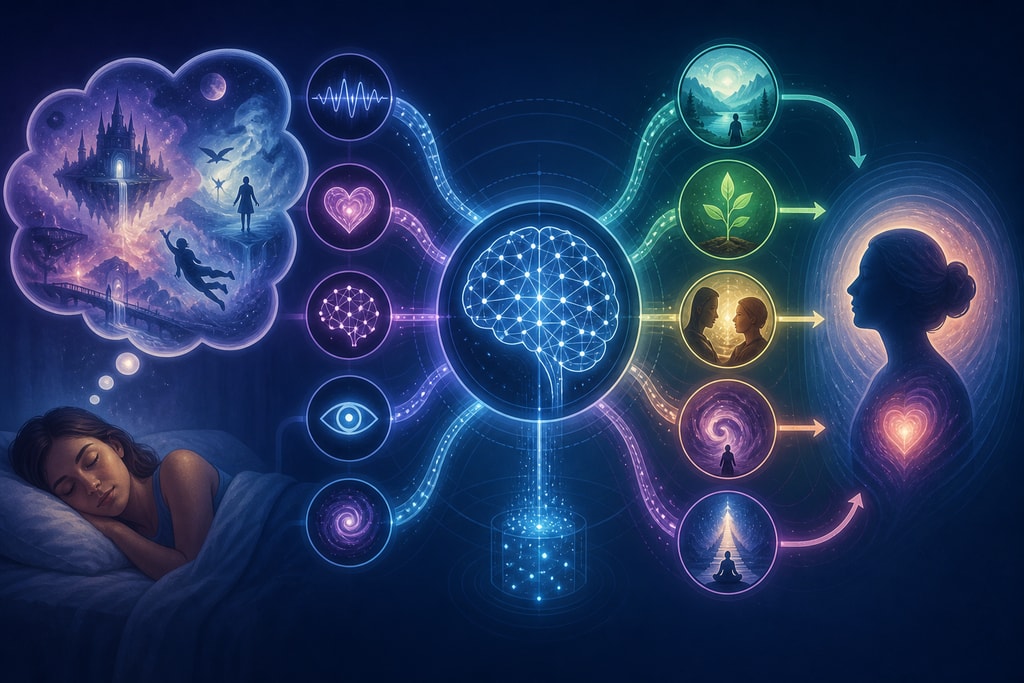
AI tools can be invaluable in dissecting dreams:
- Pattern Recognition: Uncovers recurring dream themes.
- Emotional Contextualization: Clarifies emotional undertones by analyzing symbols.
Mistakes to Avoid in Dream Analysis
- Over-interpretation: Avoid attributing undue significance to trivial dream elements.
- Neglecting Emotional Context: Remember, dream analysis is about emotional insights, not just events.
Advanced Techniques for Interpreting Dreams
- Gestalt Therapy Approach: Speaking to elements in your dreams can provide fresh perspectives.
- Lucid Dreaming: Encouraging awareness and control over dreams for deeper insight.
- Tech Integration: Using apps for real-time dream journaling and AI insights.
FAQs About Dreams and Emotional Health
Can dreams predict emotional crises?
While dreams reflect current states, they're not prophetic. They highlight areas needing conscious attention.
How frequently should I analyze my dreams?
Consistent weekly analysis enhances emotional insights and patterns recognition.
Does everyone dream every night?
Indeed, during various sleep stages, though recall varies.
Can technology truly aid dream interpretation?
Yes, AI and apps like Dreamscape enhance pattern recognition and emotional analysis.
Conclusion
Dreams offer profound insights into our emotional health, providing a roadmap to understanding our subconscious mind. With tools and techniques accessible, dream interpretation has never been more approachable. Explore the Dreamscape app to further this journey of discovery, bridging your conscious mind to the deeper subconscious truths. —
Sources and Further Reading
- Dreams and What They Mean
- Psychology Today
- American Psychological Association
- Dreamscape homepage Embarking on this exploration allows you to gain meaningful insights into your emotional dynamics. Dream analysis is a valuable step in nurturing emotional health and understanding the intricate dance between your conscious thoughts and subconscious revelations.