
Enhance Your Dreams: The Best Sleep Sounds for Better Dream Recall In the quest for understanding the enigmatic world of dreams, enhancing dream recall can be an invaluable tool.
By optimizing our sleep environments and utilizing the right sleep sounds, we can tap into deeper layers of our subconscious. This guide explores how specific soundscapes can improve dream recall, providing you with actionable insights to explore your inner world more effectively. Explore Dream Interpretations on Dreamscape
Why Dream Recall Matters
Dream recall is not just about remembering the whimsical narratives that play out in our sleep. It's a gateway to self-discovery, personal growth, and deeper psychological understanding. Enhancing dream recall can aid in emotional processing, problem-solving, and personal insight. By recalling dreams, you access the subconscious mind, leading to revelations about your emotional state and thought processes.
Practical Examples
- Journaling Dreams: Keeping a dream journal helps solidify memories of dreams, making them easier to recall and analyze.
- Analyzing Recurring Themes: Identifying recurring dream themes can uncover underlying anxiety or aspirations. Internal link to the Dreamscape homepage to encourage exploration of dream interpretation tools.
How Sleep Sounds Affect Dreams
Sleep sounds are more than ambient background noise. They can influence the brain's activity during sleep, fostering an environment that enhances dream recall. Certain frequencies and natural sounds stabilize sleep patterns, leading to vivid dreams and improved memory upon waking.
Types of Sleep Sounds for Dream Recall


Ocean Waves
Listening to the rhythmic sound of ocean waves can mimic the brain's delta waves during deep sleep, promoting relaxation and aiding in memory consolidation. Ocean sounds create a calming environment conducive to deeper sleep, which is crucial for dreaming and recall.
Rainfall
The soothing sound of rainfall facilitates relaxation and serenity, providing a natural ambiance that prepares the mind for vivid dreaming. The softness of rain sounds can ease stress and help the mind drift into a peaceful sleep state.
White Noise
White noise helps mask environmental disturbances, allowing for deep, uninterrupted sleep which is vital for dream recall. It creates a consistent sound environment that helps maintain sleep without interruptions from sudden noises.

Checklist for Selecting the Best Sleep Sounds
- Identify Personal Preferences: Select sounds that personally resonate and promote comfort.
- Use High-Quality Recordings: Ensure crisp and clear sound without distortion.
- Adjust Volume Levels: Keep the volume at a soothing level to prevent disruption.
- Experiment with Combinations: Try different sounds together to find the most relaxing blend.
Creating Your Dream-friendly Sleep Environment
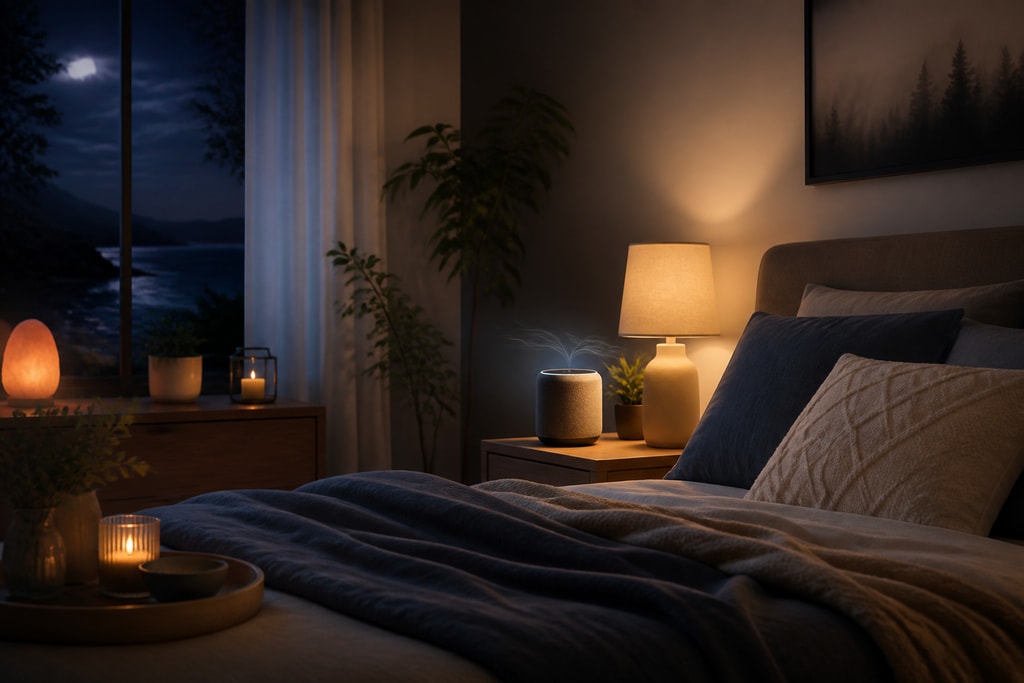
To amplify the effects of sleep sounds, it's crucial to create a holistic sleep environment. This includes comfortable bedding, optimal room temperature, and minimizing electronic disruptions. Incorporate calming colors into your bedroom decor to promote relaxation. For more insights on shaping a dream-nurturing environment, visit the Dream Meanings Hub. Flying dreams and the sound of wind are linked in cognitive spaces, where the subconscious is sensitive to subtle auditory cues.

Technology and Sleep Sounds: Using Apps
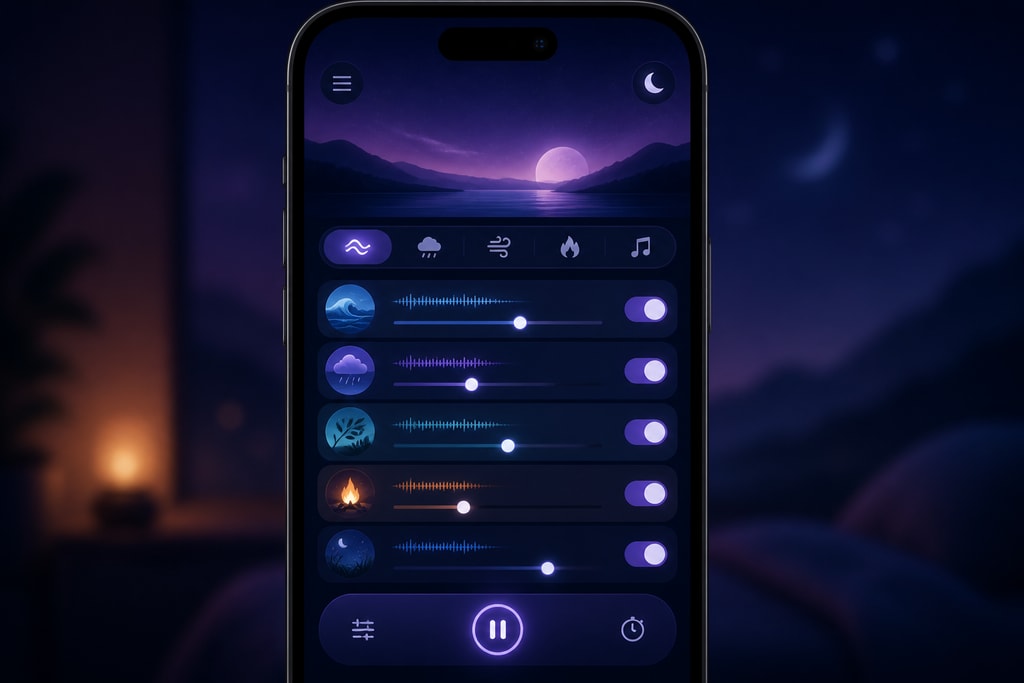
Modern technology allows us to tailor sleep sound experiences through apps like Dreamscape, which offers customizable soundscapes. Personalized settings enable users to select combinations that best suit their dream recall needs. Benefits of Using Sleep Apps:
- Customizable Soundscapes: Tailor sounds to your preferences and create an environment that promotes quality sleep.
- Integration with Sleep Routines: Seamless alignment with pre-sleep rituals and habits to enhance your bedtime routine.
- Tracking Sleep Patterns: Analyze your sleep cycle and adjust routines for optimal dream recall. Try the Dreamscape app for a personalized auditory experience.

Mistakes to Avoid with Sleep Sounds
- Overstimulation: Avoid overly complex or loud soundscapes that might disrupt sleep.
- Inconsistent Use: Regularity is key; sporadic use might not yield optimal results.
- Ignoring Personal Preference: Sounds that don't resonate with you can create irritation instead of relaxation.
FAQ: Common Questions About Sleep Sounds and Dreams **
Do sleep sounds work for everyone? While beneficial for many, individual differences mean some may react differently. Experimentation with various sounds is key. Consider factors like sound sensitivity and personal context. Can sleep sounds affect dream content? While sleep sounds primarily aid recall, some studies suggest they may occasionally influence dream themes through mood and context setting. Passive listening can sometimes alter imagery and themes in dreams. What if I can’t sleep with sounds?** Opt for quieter volumes or try the Do Not Disturb mode in Dreamscape to minimize distractions. Explore alternative techniques like meditation or mindful breathing before sleep.
Conclusion
Enhancing dream recall through sleep sounds is a practical endeavor accessible to everyone. By experimenting with soundscapes, you are taking the first step in a fascinating journey of dream exploration. Try the Dreamscape app to start your dream-enhancing experience. With its AI Dream Interpretation, users can delve deeper into the meaning behind their dreams, turning dream potential into tangible insight. Explore the AI Dream Interpretation for richer insights.
Sources and Further Reading
- Why We Dream and How We Can Improve Dream Recall. Psychology Today.
- Sounds to Help You Sleep. National Sleep Foundation.
- Sleep and Dreams. Mayo Clinic.
- How to Optimize Your Sleep Environment. Sleep.org.
- The Impact of Sound in Cognitive Processing. Frontiers in Psychology.