
Introduction
Dreams have long fascinated humanity, serving as a window into our subconscious minds. Recent scientific advancements have unveiled intriguing connections between auditory stimuli and dream content, suggesting that soundscapes can significantly influence and enhance our dream experiences. This article delves into the science behind this phenomenon and offers practical techniques to harness sound for enriching your dreams. Visit our Dreamscape homepage to get the Dreamscape app, which offers personalized soundscapes and tools for dream exploration.
The Science of Sound and Dreams
How Sound Influences Dream Content
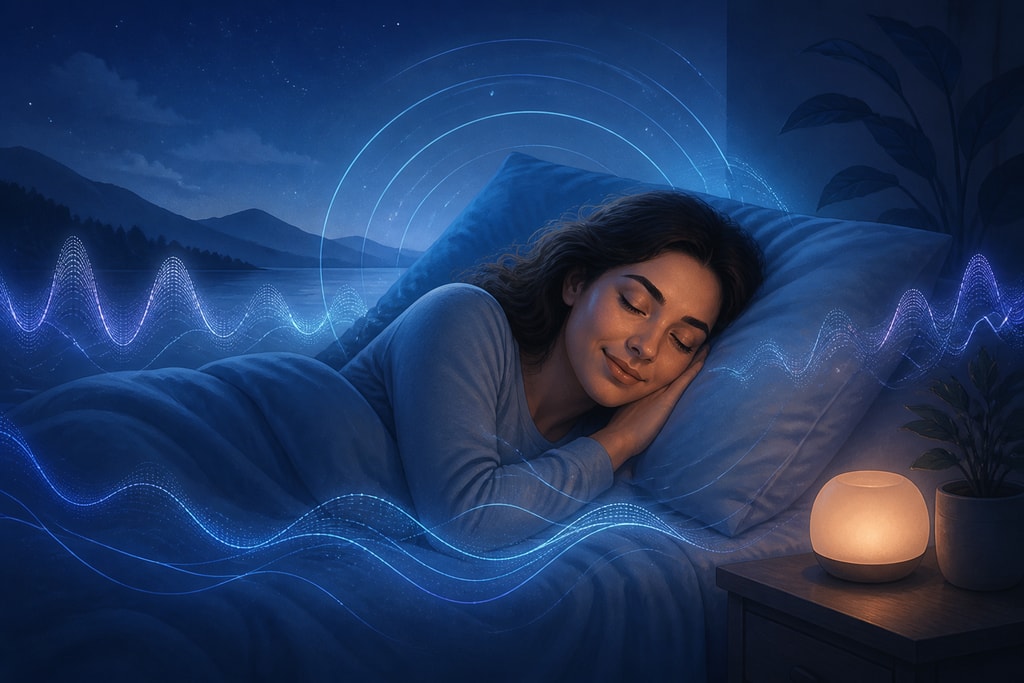
Research indicates that external sounds can permeate our sleep, subtly shaping the narratives and emotions within our dreams. A study by Northwestern University demonstrated that playing specific sound cues during REM sleep prompted participants to dream about unsolved puzzles they had encountered earlier, leading to a higher rate of problem-solving upon waking. This suggests that targeted auditory stimuli can steer dream content in desired directions. Read more on ScienceDaily.
Soundscapes and Emotional Well-being
The type of soundscape we are exposed to during sleep can also impact our emotional state within dreams. Natural sounds, such as those from forests or oceans, have been found to promote positive emotions and a sense of calm. Conversely, urban noises may lead to less restful sleep and more fragmented dreams. A study published in npj Acoustics highlighted that natural soundscapes significantly enhance emotional well-being compared to synthetic sounds. Learn more about dream symbolism at our Dream meanings hub.
Techniques for Enhancing Dreams with Sound
Selecting the Right Soundscapes
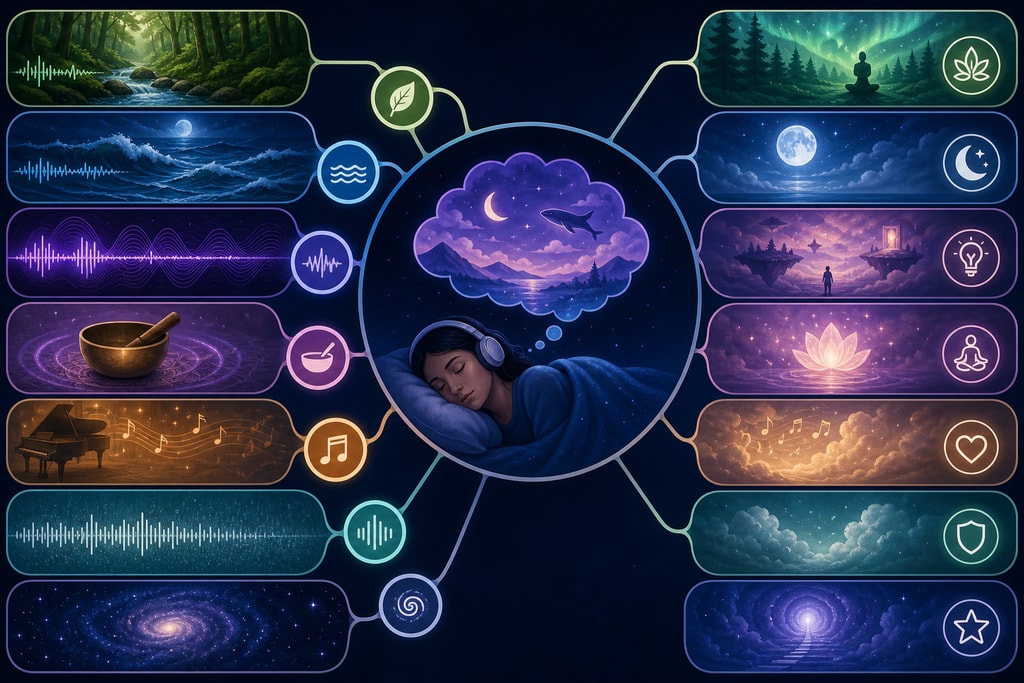
To positively influence your dreams, consider incorporating the following types of soundscapes into your sleep environment:
- Nature Sounds: Recordings of rain, ocean waves, or forest ambiance can induce a sense of tranquility and may lead to more serene dream experiences.
- Binaural Beats: These are auditory illusions created by playing two slightly different frequencies in each ear, which can promote relaxation and potentially influence dream content.
- Personalized Soundtracks: Familiar music or sounds that evoke positive memories can be used to steer dreams toward pleasant themes.
Practical Example: Crafting a Custom Soundscape
Imagine winding down to the sound of a gentle rainforest, layered with light piano melodies. Use apps to blend different sound elements, creating a personalized soundtrack that resonates with your emotional state and preferences.
Implementing Soundscapes Effectively To integrate soundscapes into your sleep routine:
- Choose Appropriate Audio: Select sounds that you find soothing and non-intrusive.
- Set a Comfortable Volume: Ensure the volume is low enough to avoid disrupting sleep but audible enough to be effective.
- Use a Timer: Set the audio to play for a specific duration, such as the first 30 minutes of sleep, to prevent disturbances later in the night.
Decision Criteria: Choosing Sounds
Consider your emotional needs, environmental comfort, and personal auditory sensitivities. Some individuals may prefer nature sounds, while others might find instrumental music more calming.
Potential Benefits and Considerations
Enhancing Creativity and Problem-Solving
By guiding dream content through sound, individuals may experience enhanced creativity and improved problem-solving abilities. The Northwestern University study mentioned earlier found that participants who dreamed about specific puzzles were more likely to solve them upon waking. Read more.
Improving Sleep Quality
Incorporating calming soundscapes can lead to deeper, more restorative sleep. A study from the IMT School for Advanced Studies Lucca found that vivid dreams, often induced by immersive soundscapes, are associated with a perception of deeper sleep. Source.
Mistakes to Avoid
- Ignoring Personal Comfort: Not all sounds suit everyone; be mindful of your comfort levels.
- Overuse: Excessive auditory stimuli can disrupt rather than enhance your sleep.
Practical Tips for Incorporating Soundscapes
- Create a Relaxing Pre-Sleep Environment: Dim the lights and engage in calming activities before bed.
- Use High-Quality Audio Equipment: Ensure that the sound is clear and free from distortions.
- Maintain Consistency: Regular use of soundscapes can help condition your mind to associate specific sounds with relaxation and sleep.
Stronger FAQ Section **Q:
Can soundscapes help with lucid dreaming? A: While soundscapes can influence dream content, their effectiveness in inducing lucid dreams varies among individuals. Some may find that specific sounds increase their awareness within dreams, but more research is needed in this area. Q: Are there any risks associated with using soundscapes during sleep? A: Generally, using soundscapes is safe. However, if you find that certain sounds disrupt your sleep or cause discomfort, it's best to discontinue their use. Q: How long should I play soundscapes during sleep? A: It's recommended to play soundscapes during the initial stages of sleep, such as the first 30 minutes to an hour. This can help facilitate relaxation without interfering with deeper sleep stages. Q: What equipment is best for soundscape playback?** A: High-quality, comfortable headphones or sound machines designed for sleep are recommended. They provide clarity and reduce potential disturbances.
Conclusion Harnessing the power of soundscapes offers a promising avenue for enhancing dream experiences and improving overall sleep quality.
By thoughtfully selecting and incorporating auditory stimuli into your sleep environment, you can explore new dimensions of your subconscious mind. For those interested in delving deeper into their dreams, consider using tools like the Dreamscape app, which provides personalized soundscapes and dream analysis features to enrich your nocturnal journeys.
Sources and Further Reading
- Scientists found a way to plant ideas in dreams to boost creativity
- The impact of visual-auditory interactions on well-being: colour and soundscapes in urban spaces
- Vivid dreams may be the secret to deeper, more restful sleep — Note: This article is for informational purposes only and does not constitute medical advice. Consult a healthcare professional for personalized recommendations.