
Introduction
Dreams have captivated human curiosity and scholarly interest for generations. As potential gateways to our subconscious, dreams hold clues to our innermost thoughts and desires. This guide deepens our understanding by examining psychological approaches to dream analysis, offering insights through practical examples and expert advice.
The Freudian Perspective: Dreams as Wish Fulfillment
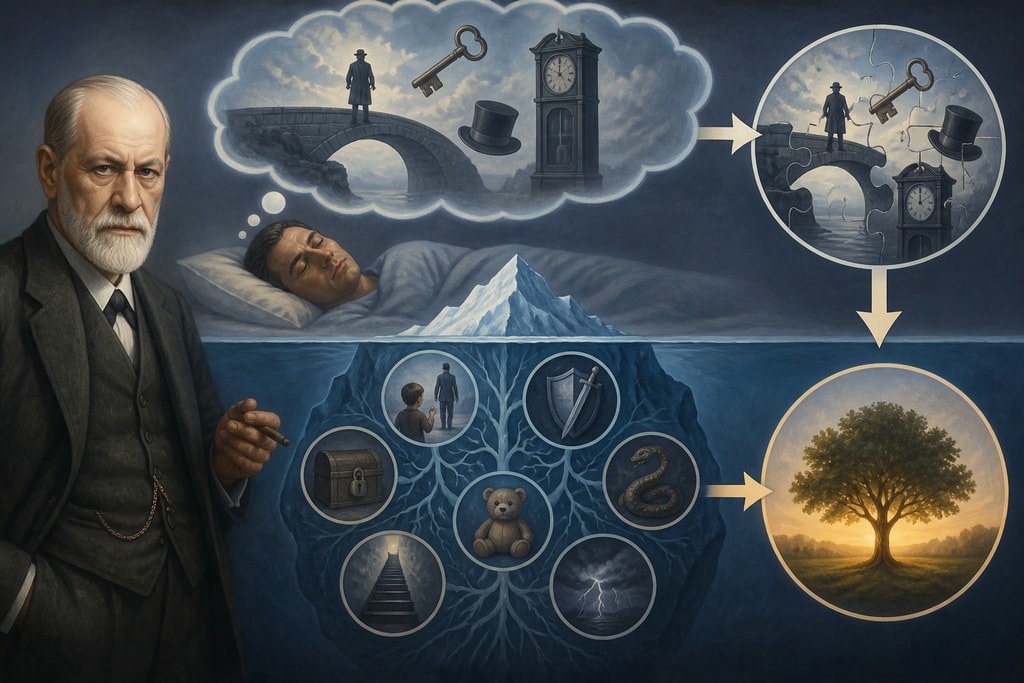
Sigmund Freud's psychoanalytic theory famously presents dreams as expressions of repressed desires and unresolved conflicts. In The Interpretation of Dreams, Freud introduces the concept of manifest content, the actual dream narrative, and latent content, the hidden psychological meaning. He argues that understanding these elements can illuminate suppressed emotions and unconscious wishes, such as unfulfilled childhood needs or unexpressed aggression.
Practical Examples
- Dream of Losing Teeth: Freud might interpret such a dream as symbolizing anxiety about losing control or feeling powerless.
- Naked in Public: This could represent a fear of exposure or shame, rooted in childhood experiences.
Mistakes to Avoid
- Over-Emphasizing Sexual Symbols: While Freud emphasized sexual symbolism, not all dreams revolve around this domain.
Topic-Specific Advice
- Balanced Interpretation: Integrate Freud's concepts with your personal growth journey for a balanced view.
Jungian Analysis: Archetypes and the Collective Unconscious
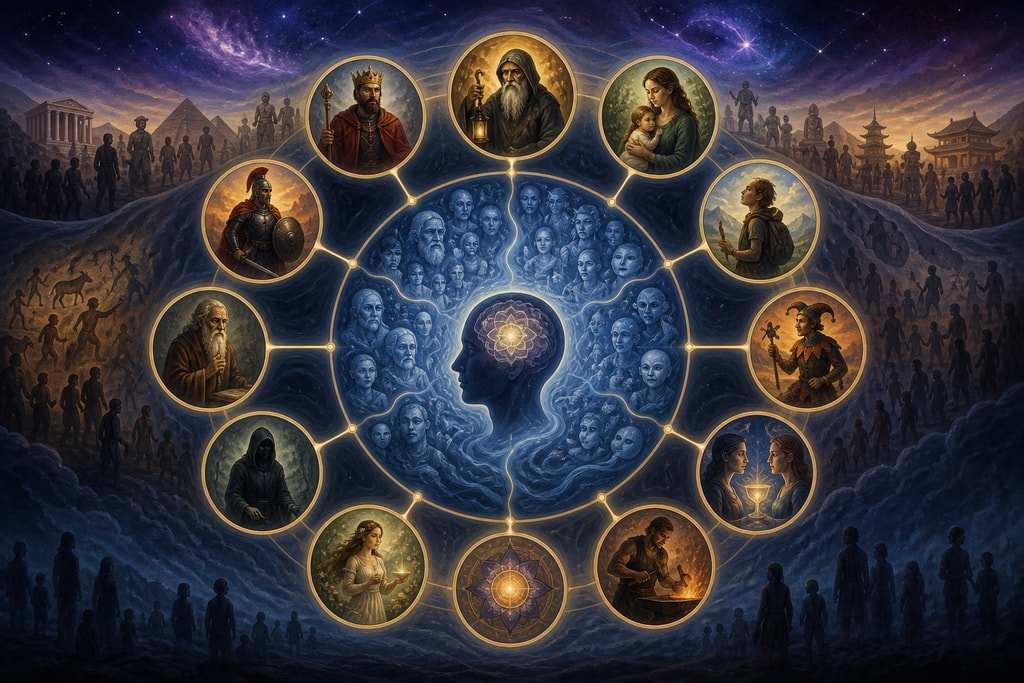
Carl Jung expanded on Freud’s ideas, focusing on the collective unconscious and universal archetypes. Jungian analysis involves identifying symbols and motifs in dreams, using them as messages from the unconscious to promote self-realization and personal growth.
Practical Examples
- The Shadow: Encountering a dark figure might signify facing repressed parts of yourself.
- The Anima/Animus: Dreams featuring gender opposites can explore inner dynamics of masculinity and femininity.
Decision Criteria
- Identify Key Symbols: Determine which archetypes recur in your dreams to guide personal development.
Mistakes to Avoid
- Ignoring Context: Always consider the broader context of your life when interpreting dreams.
The Activation-Synthesis Model: Dreams as Neural Byproducts
Proposed by Hobson and McCarley, this model views dreams as the brain's attempt to make sense of random neural activity during REM sleep. The resulting narratives can be bizarre and fragmented.
Practical Insights
- Dream Fragmentation: Understand that dreams might not always have logical consistency or depth of meaning.
Mistakes to Avoid
- Over-Interpreting Randomness: Be cautious about assigning deep meaning to chaotic dream content.
Cognitive Theories: Dreams and Information Processing
Cognitive perspectives see dreams as integral to the brain’s processing of information, serving functions like memory consolidation and learning. Dreams can help synthesize new experiences with existing knowledge to enhance adaptation.
Practical Steps
- Dream Journals for Problem Solving: Use your dreams to explore creative solutions to waking problems.
Mistakes to Avoid
- Forgetting Emotional Tone: While structural, never detach dream interpretation from emotional experience.
Neuroscientific Approaches: Understanding the Dreaming Brain
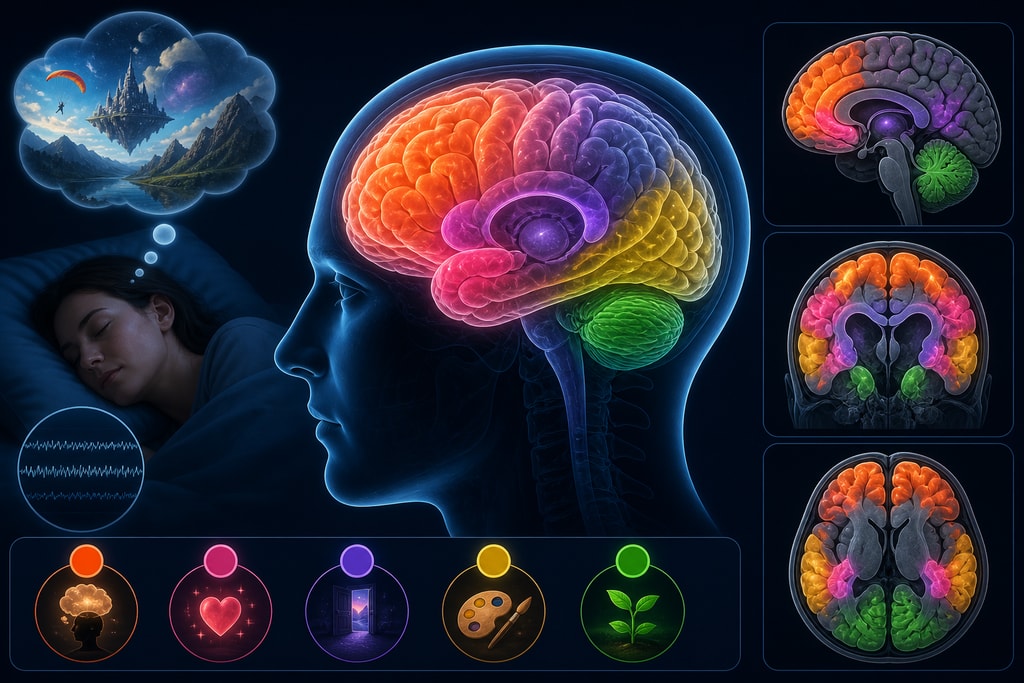
Neuroscience offers an empirical lens on dreaming, revealing which brain regions activate during REM sleep. The limbic system’s engagement highlights the intense emotional experiences dreams can trigger.
Practical Techniques
- Neuro-Feedback Tools: Explore biofeedback devices to analyze sleep patterns and dream recall.
Decision Criteria
- Consider Emotional Intensity: Use emotional peaks in dreams to delve into potential unresolved issues.
Humanistic Perspective: Dreams and Personal Growth
Humanistic psychologists advocate for viewing dreams as reflections of personal growth and potential. This approach centers on exploring personal meanings and emotions to foster self-awareness.
Practical Approaches
- Art and Dream Work: Use creative expression to explore the themes and feelings evoked by your dreams.
Mistakes to Avoid
- Ignoring Personal Relevance: Avoid viewing dreams as merely repetitive insights from your external world.
Integrating Psychological Approaches in Dream Analysis
By synthesizing various psychological frameworks, one can derive a more nuanced understanding of dreams. For example, Jungian symbolism complemented with cognitive insights can deepen your exploration of personal narratives.
Practical Steps for Analyzing Your Dreams
- Keep a Dream Journal: Capture your dreams just upon waking to document details before they vanish.
- Identify Recurring Themes: Look for patterns or symbols commonly recurring in your dreams.
- Reflect on Emotional Content: Analyze the emotional tone in your dreams and its connection to your day-to-day life.
- Explore Personal Associations: Relate dream symbols to your experiences and feelings.
- Consult Multiple Perspectives: Utilize diverse psychological theories to enrich your dream interpretation.
Frequently Asked Questions
Q: Can dreams predict the future? A: Though some cultures believe in prophetic dreams, no scientific evidence supports their predictive validity.
Q: Why do we forget our dreams? A: Our brains may prioritize waking experiences over dream memories. Keeping a dream journal can improve recall.
Q: Do all dreams have meaning? A: Many dreams reflect subconscious processes, although some may hold little significant meaning.
Sources and Further Reading
- Dreams: What they are, causes, types, and meaning
- Why Do We Dream?
- Dream Psychology: Freud, Jung & Modern Dream Theories Explained
- Activation-Synthesis Theory: What It Explains About Dreaming
- Dreaming and the neurobiology of self: recent advances and implications for psychiatry
Be sure to explore the Dreamscape homepage for additional resources, and visit the Dream meanings hub for detailed insights into specific dream symbols and interpretations.