As we journey through, the allure of dreams as a gateway to self-discovery continues to flourish. Dream journaling is a powerful tool for exploring your subconscious and garnering profound insights into your inner self. This comprehensive guide expands on your dream journaling practices with advanced techniques designed to elevate your understanding and interpretation of dreams.
Introduction to Dream Journaling
Dream journaling is more than just recording nocturnal imaginings. It is an exploratory practice that uncovers patterns, emotions, and latent desires. You’ll find dreams often speak in symbols and metaphors, and interpreting them can illuminate significant aspects of your waking life.
Understanding the Basics of Dream Journaling
Establish a Strong Foundation Before diving into complex techniques, it’s crucial to build a solid foundation:
- Consistency is Key: Regularly record your dreams to capture recurring themes and symbols.
- Write Immediately Upon Waking: Dreams fade quickly; keep your journal within reach to capture details while they’re still fresh.
- Date Each Entry: Tracking the date helps identify patterns over time, enhancing your understanding of dream evolution. For those new to dream journaling, Dreamscape’s app offers a structured platform to begin your practice and unlock deeper insights.
Techniques to Deepen Your Dream Journaling Practice
1. Thematic Categorization Categorize dreams by themes like emotions, settings, and recurring symbols. This technique focuses on the most significant aspects of your dreams, laying the groundwork for deeper analysis.
- Practical Example: If dreams about water frequently occur, investigate what water symbolizes for you and its potential significance in your life.
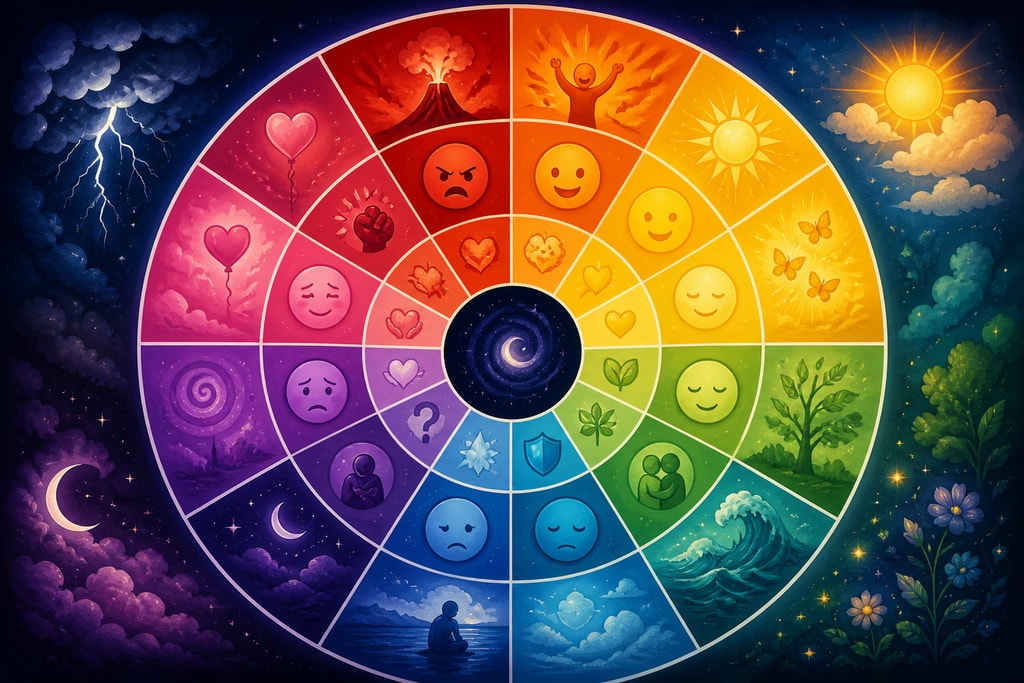
2. Emotional Mapping Documenting emotions in dreams can provide windows into your subconscious mind. Use an emotion wheel to accurately pinpoint and interpret these emotions.
- Common Emotions and Their Meanings: Fear might indicate stress or unresolved issues, while joy could reflect fulfillment and satisfaction.
3. Symbolic Interpretation Techniques Symbols may carry personal and universal meanings. To decode these messages:
- Research Symbolic Definitions: Utilize reputable sources.
- Create a Personal Symbol Dictionary: Start logging symbols with personal meanings for deeper connections, or visit the Dream meanings hub for expert interpretations.
Advanced Techniques for Profound Insights
4. Reality Testing and Lucid Dreaming Incorporate reality tests into your day. This practice enhances dream awareness and can lead to lucid dreaming, where you engage consciously with dream content.
- Technique Example: Regularly question, “Am I dreaming?” and perform checks like trying to push a finger through your palm.
5. Multi-sensory Descriptions Engage all senses when recording dreams. Noting sounds, smells, or tactile sensations enriches your entries, offering richer context and understanding.
- Mistake to Avoid: Don't limit entries to visual elements—acknowledge all senses for more profound insights.
6. Artistic Visualization Transform dream experiences into visual art. This creative expression can provide new perspectives and deepen understanding.
- Advice: Use any medium that resonates with you, embracing imperfections and spontaneity.
Decision Table: Choosing the Best Technique | Goal | Technique |
|—————————–|—————————-| | Improve Recall | Write Immediately | | Enhance Understanding | Thematic Categorization | | Increase Lucid Dreaming | Reality Testing | | Emotional Insight | Emotional Mapping | | Visual Interpretation | Artistic Visualization |
Mistakes to Avoid in Dream Journaling
- Inconsistency: Skipping entries leads to lost insights.
- Over-Interpretation: Not every dream is profoundly symbolic; focus on patterns.
- Neglecting Emotions: Emotions are pivotal in dream understanding.
FAQs on Dream Journaling Techniques **
How often should I journal my dreams? Daily journaling is ideal, but capturing only vivid dreams can be beneficial. Can interpreting dreams affect my waking life? Absolutely, understanding dreams can enhance self-awareness and inform better life decisions. How does AI assist in dream interpretation? AI tools, such as those from Dreamscape, analyze patterns and symbols, offering personalized insights. What’s the best way to stay motivated?** Join dream journaling communities or forums and share insights for encouragement and inspiration.
Conclusion
Dream journaling is a deeply personal exploration, unique to your experiences and reflections. Implement the techniques that resonate with you, and allow Dreamscape to support your journey in interpreting and visualizing dreams. Consider upgrading to premium features in the Dreamscape app for even deeper insights. For further exploration and tools to enrich your practice, visit the Dream meanings hub or the Dreamscape homepage to discover more about how dreams can shape your waking life.
Sources and Further Reading
- The Science of Dreams and Why We Have Them, Psychology Today
- How to Remember Dreams, Sleep Foundation
- Understanding Dreams: Why We Dream, Verywell Mind
- Symbolist Thinking and What It Means for You, Symbols Dictionary