Introduction
Dreams have fascinated humanity for millennia, serving as windows into the subconscious and reflections of our deepest thoughts and emotions. However, the interpretation of these nocturnal visions varies significantly across cultures, each attributing unique meanings to common symbols. Understanding these diverse perspectives not only enriches our appreciation of dreams but also offers insights into the cultural fabric that shapes our interpretations.
The Role of Culture in Dream Interpretation
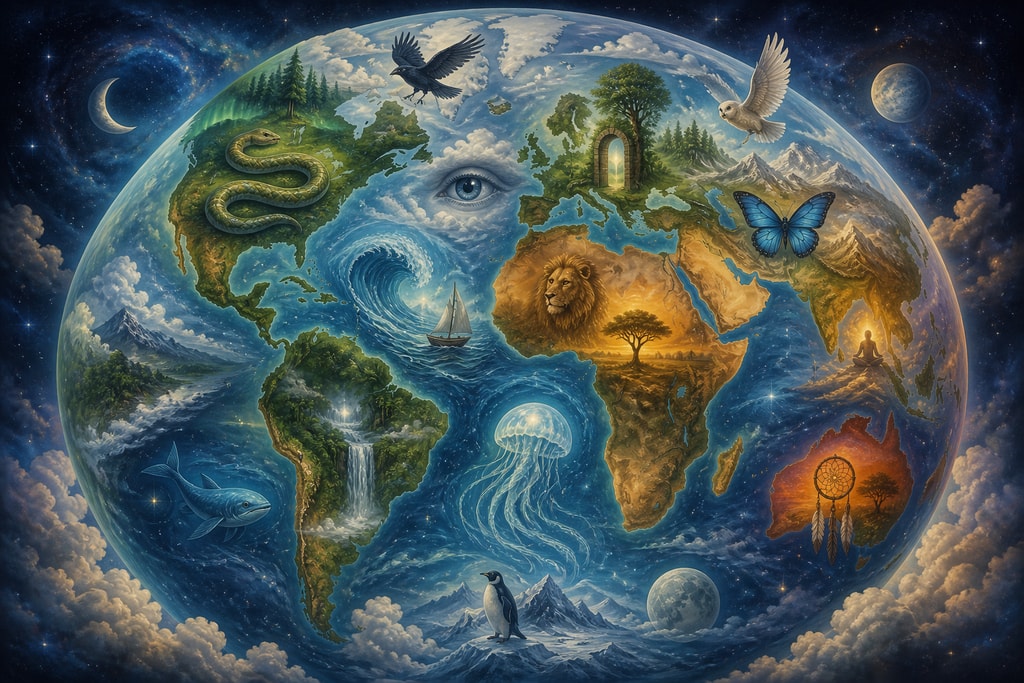
Culture profoundly influences how individuals perceive and interpret their dreams. Factors such as religious beliefs, historical context, and societal values play pivotal roles in shaping the symbolism attributed to dream imagery. For instance, while a snake in a dream might symbolize danger in one culture, it could represent transformation or healing in another.
Common Dream Symbols and Their Cultural Interpretations

Snakes
- Western Traditions: Often associated with danger, temptation, or evil, influenced by biblical narratives.
- Example: Dreaming of a snake might evoke fear due to its association with deception.
- Hinduism and Buddhism: Symbolize kundalini energy, transformation, and spiritual awakening.
- Example: Seeing a snake coiled in meditation could signify spiritual growth.
- African Cultures: Represent ancestral spirits, wisdom, or healing powers.
- Ancient Greece: Linked to healing and rebirth, as seen in the symbol of Asclepius.
- Native American Traditions: Signify fertility, renewal, or a connection to the earth.
- Decision Criteria: Consider the snake's behavior and setting in your dream to determine its meaning.
Water
- General Interpretation: Represents emotions, the unconscious mind, or life force.
- Variations:
- Calm Water: Indicates emotional peace.
- Turbulent Water: Suggests emotional turmoil.
- Shallow Water: Reflects surface emotions.
- Deep Water: Denotes deeper unconscious thoughts.
Flying
- Universal Symbolism: Associated with freedom, transcendence, or gaining a new perspective.
- Shamanic Traditions: Viewed as spirit journeys or out-of-body experiences.
- Lucid Dreaming: Often linked to a sense of control or empowerment within the dream state.
- Advice: If you experience flying in dreams, explore lucid dreaming techniques to harness control.
Falling
- Common Interpretation: Connected to fears, loss of control, or feelings of failure.
- Physiological Aspect: Frequently occurs during sleep-wake transitions, accompanied by a physical jolt.
- Mistakes to Avoid: Avoid overanalyzing falling dreams as literal fails; they often reflect temporary anxieties.
Death
- Symbolic Meaning: Rarely literal; typically signifies transformation, endings, or new beginnings.
- Cultural Variations:
- Western Cultures: May evoke fear or anxiety.
- Eastern Traditions: Often viewed as a natural part of life's cycle, indicating change or rebirth.
Teeth
- Western Modern: Falling teeth dreams may signal anxiety about appearance, communication, or power.
- Chinese Traditional: Different teeth represent various family relationships.
- Islamic Interpretation: Teeth symbolize extended family and clan members.
- Ancient Egyptian: Associated with mortality and aging.
- Freudian Perspective: Linked to sexual development or castration anxiety.
- Practical Example: If dreaming of losing teeth, reflect on personal insecurities or communication issues.
Colors
- White:
- Western: Purity, emptiness, or clinical settings.
- Chinese: Death, mourning, or transitions.
- Hindu: Knowledge and spiritual purity.
- Red:
- Western: Passion, danger, or anger.
- Chinese: Good fortune, joy, and celebration.
- Ancient Egyptian: Life force and victory.
- Celtic: Warfare and bloodshed.
- Black:
- Western: Death, mystery, or the unknown.
- Egyptian: Fertility and rebirth.
- Japanese: Knowledge, experience, nobility.
- Native American: Strength and power.
Cultural Frameworks for Dream Interpretation

Western Psychoanalytic Tradition
- Sigmund Freud: Viewed dreams as expressions of repressed desires, often sexual or aggressive in nature.
- Carl Jung: Introduced the concept of the collective unconscious, suggesting that dreams connect individuals to universal archetypes.
- Topic-Specific Advice: Explore Jungian symbols for a deeper understanding of personal and collective dreams.
Islamic Dream Interpretation (Tabir)
- Categories:
- Ru'ya: True visions from God, requiring interpretation.
- Hulm: Disturbing dreams from Satan, to be ignored.
- Hadith al-nafs: Dreams arising from one's own thoughts and desires.
- Symbolism: Context-dependent; for example, a snake may represent an enemy or, if killed, signify wealth.
- Decision Criteria: Differentiate dreams based on their emotional impact and clarity.
Chinese Traditional Dream Interpretation
- Historical Texts: "Duke of Zhou's Dream Interpretations" remains a widely consulted classic.
- Symbolism: Often involves wordplay and associations with homophones; for instance, dreaming of fish ("yu") can symbolize abundance due to its phonetic similarity to the word for surplus.
- Practical Example: Use phonetic plays to explore personal connections in dreams.
Indigenous Australian Traditions
- Dreamtime: Dreams are considered connections to the ancestral past and the spiritual realm, offering guidance and knowledge.
- Symbolism: Often tied to land, animals, and ancestral spirits, reflecting a deep connection to nature and community.
- Advice: Incorporate respect for nature and ancestry when interpreting these dreams.
Checklist: Enhancing Your Dream Interpretation Practice
- Record Your Dreams: Maintain a dream journal to capture details and recurring themes.
- Consider Cultural Context: Reflect on your cultural background and how it may influence your interpretations.
- Explore Multiple Perspectives: Research how different cultures interpret similar symbols to gain a broader understanding.
- Reflect on Personal Associations: Consider your own experiences and emotions related to the symbols in your dreams.
- Seek Professional Guidance: If a dream is particularly troubling or persistent, consult with a professional experienced in dream analysis.
Frequently Asked Questions
Q: Can a single dream symbol have multiple meanings?
A: Yes, a single symbol can carry various meanings depending on cultural context, personal experiences, and the specific details of the dream.
Q: How can I determine which cultural interpretation applies to my dream?
A: Reflect on your own cultural background, personal beliefs, and the emotions evoked by the dream. Exploring multiple interpretations, as found in our Dream meanings hub, can provide a more comprehensive understanding.
Q: Are there universal symbols in dreams?
A: While some symbols, like water or flying, appear across many cultures with similar interpretations, their specific meanings can still vary based on cultural nuances. Consult the Dream meanings hub for more insights.
Q: How does modern psychology view dream interpretation?
A: Modern psychology often views dreams as reflections of the subconscious mind, processing daily experiences, emotions, and unresolved conflicts.
Q: What are some methods to actively engage with dreams for personal growth?
A: Keeping a detailed dream journal, practicing lucid dreaming, and exploring our Dream meanings hub can enhance dream engagement and understanding.
Conclusion
Understanding the rich tapestry of dream symbols across cultures offers a window into the diverse ways humans connect with their subconscious. By exploring and respecting these diverse interpretations, we gain valuable insights that enhance both personal and cultural understanding.