
Introduction
Nightmares are vivid, disturbing dreams that can cause significant distress and disrupt sleep patterns. While occasional nightmares are common, frequent occurrences can impact daily functioning and overall well-being. Understanding their causes and learning effective coping mechanisms are essential steps toward improving sleep quality and mental health.
What Are Nightmares?
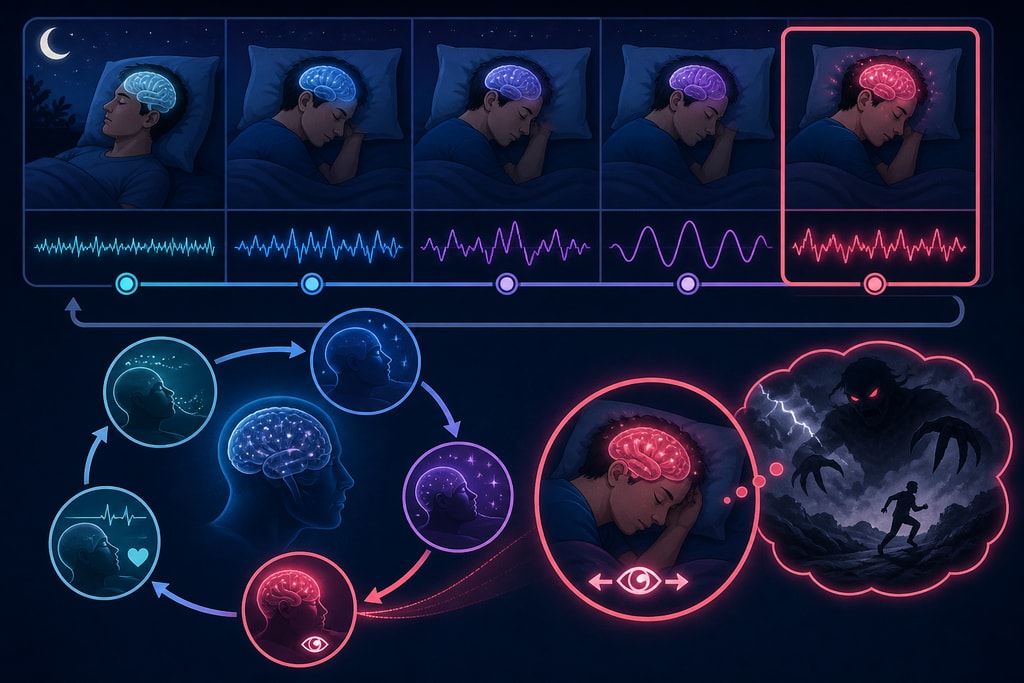
Nightmares are intense, unsettling dreams often involving threats to safety or survival. They typically occur during the REM stage of sleep, which is the stage when most dreaming occurs. Upon awakening, individuals can often recall the content in detail, leading to feelings of fear, anxiety, or sadness.
REM Sleep and Dreaming
During REM sleep, the brain is highly active, and dreams can become vivid and emotionally intense. Disturbances during this stage may amplify nightmare intensity. Understanding the sleep cycle can help identify disruptions contributing to nightmares.
Learn more about the stages of sleep at our Dream Meanings Hub.
Common Causes of Nightmares
Stress and Anxiety
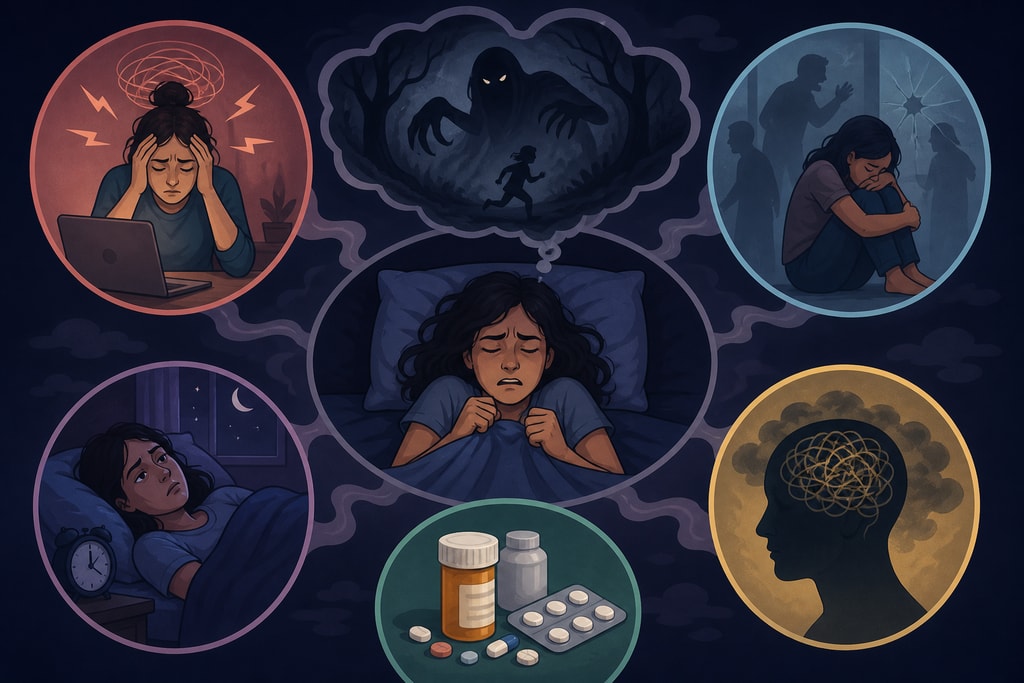
High levels of stress and anxiety are significant triggers for nightmares. Daily pressures, such as work-related stress or personal conflicts, can manifest as threatening scenarios in dreams. Managing through relaxation techniques and lifestyle adjustments can help. Cleveland Clinic's insights.
Practical Tips
- Practice mindfulness: Short daily mindfulness exercises can reduce stress levels.
- Develop time management skills: Prioritize tasks to alleviate work-related stressors.
Trauma and PTSD
Traumatic events may lead to recurrent nightmares linked to the trauma, especially in individuals with PTSD. These serve as a re-experiencing of the traumatic event. Mayo Clinic guide on PTSD.
Decision Criteria
- Consider therapy: Trauma-focused therapies like EMDR can provide relief.
- Evaluate triggers: Identify and mitigate environmental or emotional triggers related to trauma.
Sleep Deprivation
Lack of adequate sleep can lead to increased nightmares. Irregular schedules and insufficient rest disrupt normal patterns. Establishing a consistent routine is crucial.
Avoid Mistakes
- Do not consume caffeine late in the day: It can delay REM sleep onset.
- Avoid irregular sleep patterns: Stick to a routine even on weekends.
Medications and Substance Use
Certain medications, including antidepressants, blood pressure drugs, and substances like alcohol, can induce nightmares. It's important to consult a healthcare provider if suspected issues arise.
Mental Health Disorders
Conditions like depression and anxiety disorders are associated with increased incidence of nightmares. Addressing underlying issues can alleviate frequency. Therapy and medication, under professional guidance, can be beneficial.
Coping Mechanisms for Nightmares
Establish a Consistent Sleep Routine
Maintaining regular sleep and wake times helps regulate the internal clock, promoting better sleep quality.
Example: A person who sets regular 10 PM bedtimes and practices this consistently can see a reduction in nightmares.
Create a Relaxing Bedtime Environment
Engage in calming activities before bed. Ensure the environment is comfortable and free from disturbances.
Considerations
- Use a white noise machine: To block out sudden noises.
- Adjust room lighting: Dim lights before bedtime to signal the brain it's time to rest.
Practice Stress-Reduction Techniques
Incorporating relaxation methods like deep breathing, meditation, or yoga into routines can help manage stress levels.
Example Practice: Try 10-minute evening meditation sessions using a guided app like Headspace or Calm.
Limit Stimulants and Screen Time Before Bed
Avoid caffeine, nicotine, and electronic devices in the hours leading up to bedtime.
Practical Advice: Implement a "digital sunset" where all screens are turned off an hour before sleep.
Seek Professional Help
Persistent nightmares impacting daily life warrant consulting a healthcare provider or sleep specialist. Therapies like Imagery Rehearsal Therapy (IRT) have proven effective.
Imagery Rehearsal Therapy (IRT)
IRT involves rewriting the narrative of a recurring nightmare to create a less distressing outcome.
When to Consult a Professional
Seek help if nightmares:
- Occur frequently.
- Cause significant distress.
- Lead to sleep avoidance.
- Impact daily functioning.
A healthcare provider can assess underlying conditions and recommend appropriate treatments.
Conclusion
Understanding the causes of nightmares and implementing effective coping strategies can significantly improve sleep quality and overall well-being. By addressing factors like stress, trauma, and sleep hygiene, individuals can reduce nightmares and enjoy more restful sleep.
For deeper exploration, visit our Dream Meanings Hub.
FAQ
Q1: Are nightmares indicative of mental health issues?
A1: Not always, but chronic nightmares can be linked to mental health conditions such as anxiety or PTSD. It’s best to consult a professional if concerned.
Q2: Can diet affect nightmares?
A2: Yes, heavy meals before bed, certain foods, and late-night snacking can disrupt sleep patterns and may increase the risk of nightmares.
Q3: What immediate steps can help calm after a nightmare?
A3: Practice deep breathing, write down the dream to process emotions, and use reassuring self-talk to alleviate anxiety.
Q4: How can I track nightmares effectively?
A4: Keep a dream journal noting frequency, content, and any recurring themes or emotions. This can help identify patterns and triggers.
Sources and Further Reading
- [Nightmare Disorder
- Symptoms and Causes](https://www.mayoclinic.org/diseases-conditions/nightmare-disorder/symptoms-causes/syc-20353515)
- Mayo Clinic
- 7 Reasons You’re Having Nightmares
- Cleveland Clinic
- Nightmares: Causes, Diagnosis and Treatments
- Healthline
- Nightmares
- WebMD
- Nightmare Disorder: What It Is, Symptoms & Treatment
- Cleveland Clinic