Introduction
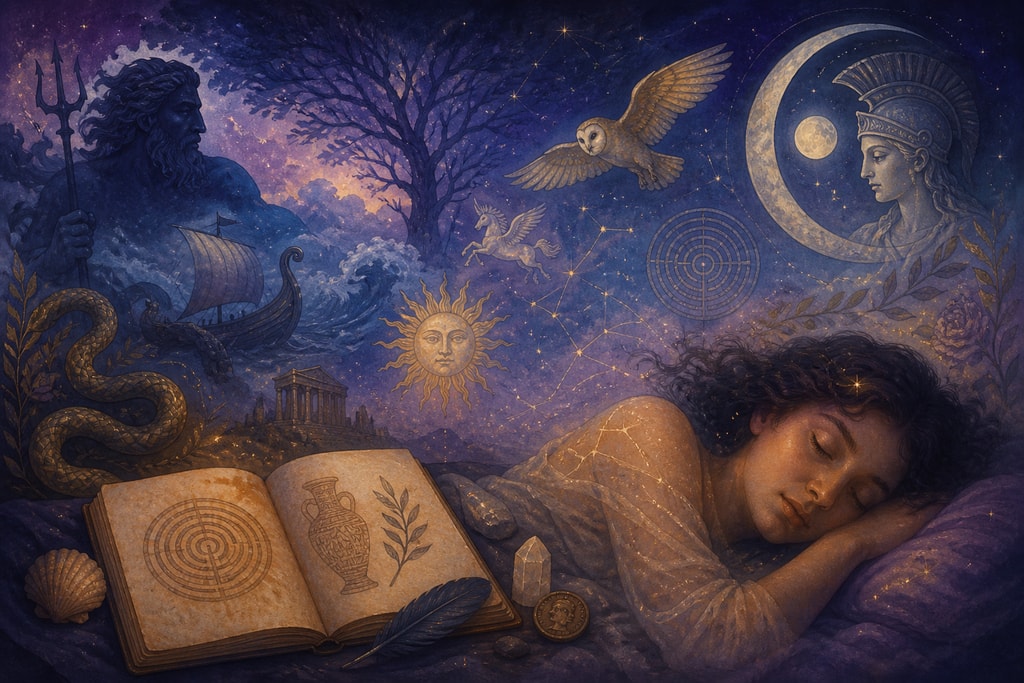
Dreams have captivated humanity for centuries, revealing a complex tapestry of symbols that bridge our conscious experiences and the depths of our subconscious minds. Among these, mythological symbols stand out for their universal resonance and cultural richness. By examining these symbols, we gain insights into our inner worlds and establish a deeper connection to our cultural heritage.
The Role of Mythological Symbols in Dreams
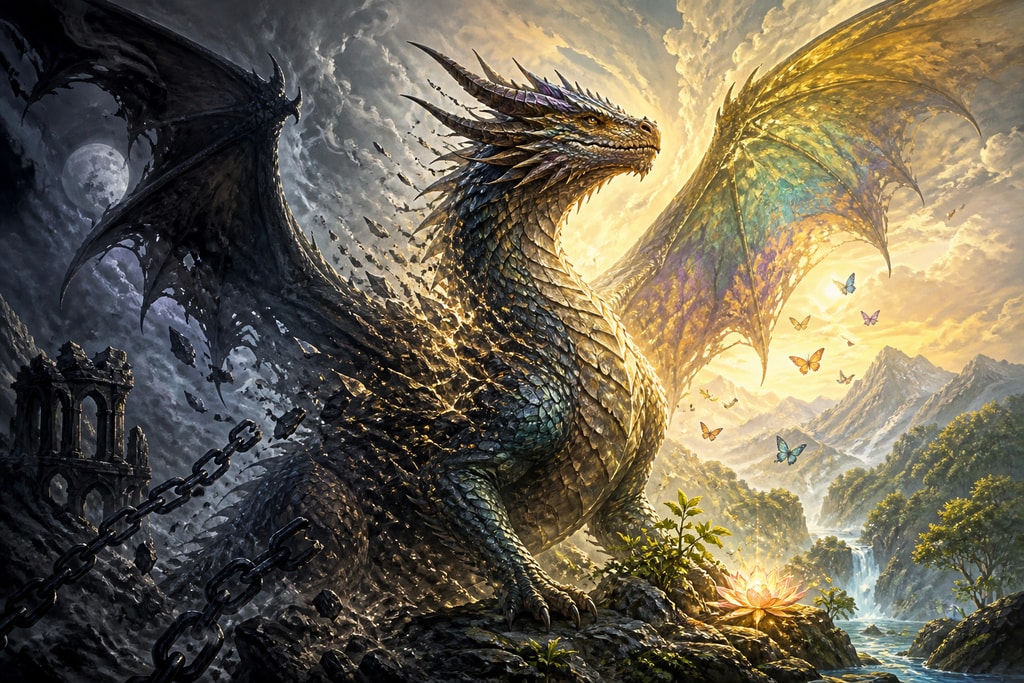
Mythological symbols in dreams often embody universal themes and archetypes, transcending individual experiences. For instance, a dragon might symbolize the dual role of guardian and destroyer, highlighting a significant challenge. Such symbols resonate with fundamental human emotions, dilemmas, and aspirations.
Cultural Interpretations of Common Mythological Symbols
Dragons
Dragons symbolize power and transformation in Eastern cultures, reflecting challenges or personal growth. Conversely, Western traditions often view dragons as adversaries, embodying chaos and conflict. Symbol interpretation requires understanding these cultural nuances. (dremyo.com)
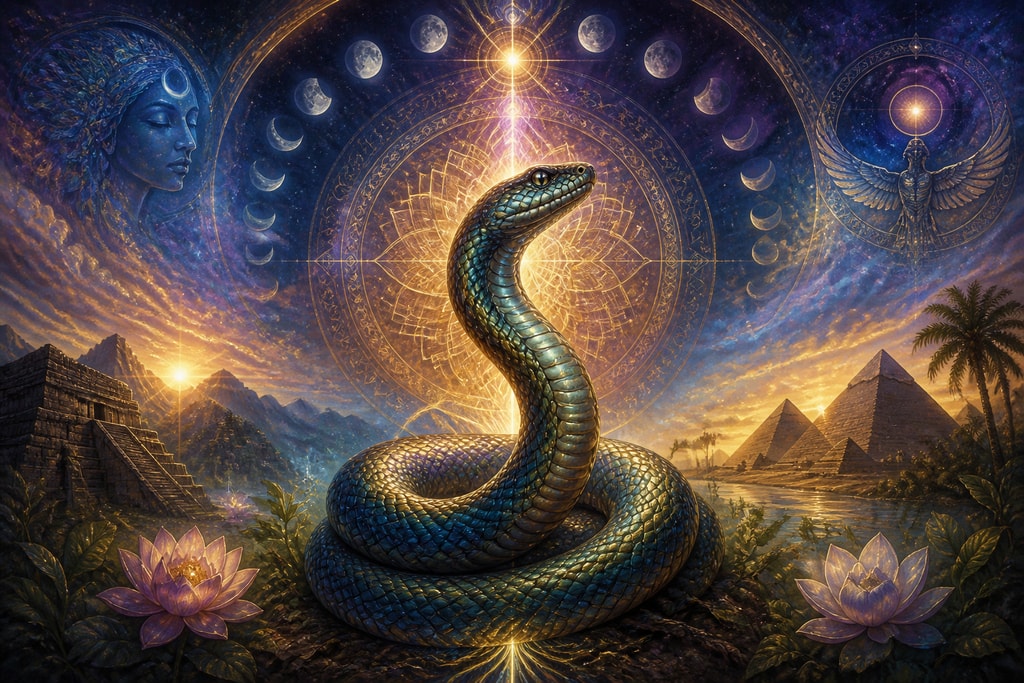
Snakes
In Western contexts, snakes may signal temptation or danger, echoing biblical narratives. Hindu and Buddhist traditions, however, interpret snakes as symbols of Kundalini energy and spiritual awakening, pointing to inner transformation. (dreamist.app)
Water
Water commonly represents emotions and the unconscious mind. The state of water—calm versus turbulent—mirrors emotional states. This symbol maintains a consistent interpretation across cultures, underscoring its fundamental association with life's emotional flow. (dreamist.app)
Mythological Creatures and Their Dream Significance
The Sphinx
The Sphinx, from Egyptian mythology, symbolizes a riddle or challenge needing wisdom and introspection. Its appearance in dreams may signal the need to solve complex life puzzles. (astroportal.com)
The Phoenix
Symbolizing rebirth and renewal, the Phoenix's dream presence might herald a transformative life phase, urging resilience and adaptability.
The Psychological Perspective
Carl Jung's archetype theory posits that mythological symbols reflect universal symbols in the collective unconscious. These symbols in dreams provide insights into inner conflicts and desires. For instance, a hero's journey might represent personal growth and self-discovery. (nationalgeographic.com)
Practical Steps for Interpreting Mythological Symbols in Dreams
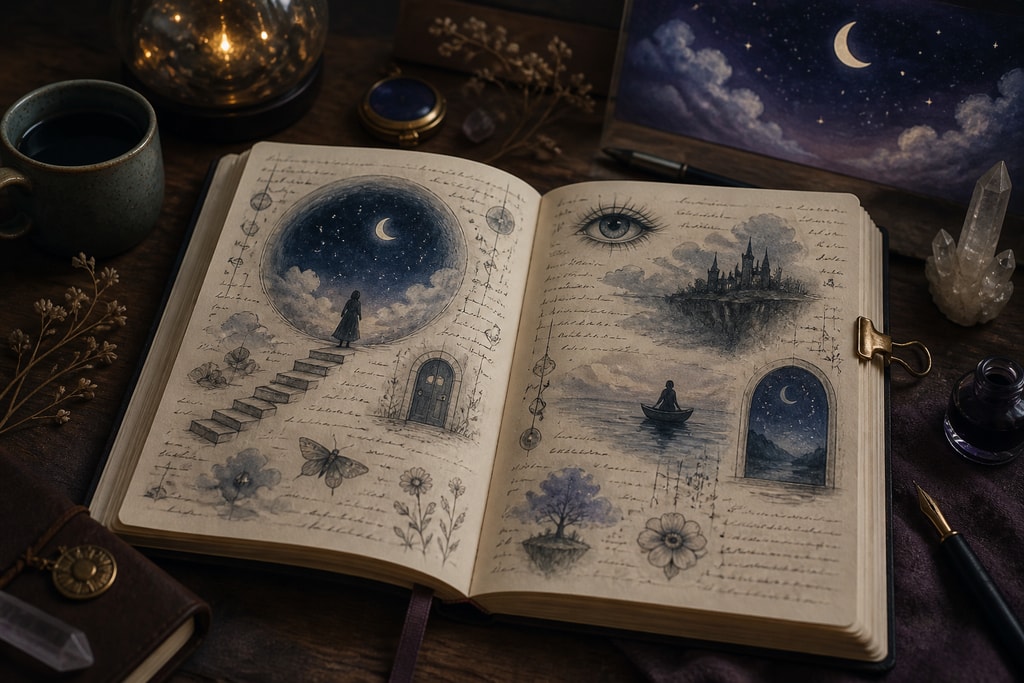
- Keep a Dream Journal: Document dreams promptly to capture essential details and emotions.
- Identify Recurring Symbols: Notice frequent mythological symbols and delve into their cultural and personal meanings.
- Reflect on Personal Associations: Consider personal meanings beyond cultural interpretations for deeper insight.
- Research Cultural Contexts: Understand symbols' cultural representations to enhance interpretation.
- Consult Reliable Resources: Access reputable sources or professionals for expert interpretations.
Common Mistakes to Avoid in Dream Interpretation
- Ignoring Personal Context: Do not overlook personal life context when interpreting symbols.
- Overgeneralizing: Avoid assuming universal meanings without considering cultural and personal nuances.
- Neglecting Emotions: Pay attention to emotions felt during the dream for richer insights.
Topic-Specific Advice
- Blend Cultures: Consider how cross-cultural interpretations might offer broader insights.
- Journaling Tips: Record dreams consistently and note emotional highlights for patterns.
- Seek Guidance: Engage with dream interpretation communities online for diverse perspectives.
Frequently Asked Questions (FAQ)
Q: How do cultural contexts alter symbol meanings?
A: Symbols like snakes hold different meanings across cultures—danger in Western, transformation in Eastern contexts. Recognizing these differences can enrich interpretation.
Q: What personal factors influence dream symbol meanings?
A: Personal life experiences, associations, and emotional states during dreaming significantly shape interpretations, making them unique to each individual.
Q: How can dream symbols aid in personal development?
A: Understanding dream symbols offers insights into subconscious emotions and challenges, guiding self-awareness and personal growth paths.
Q: Are recurring symbols more significant?
A: Recurring symbols often indicate underlying issues or themes in one's life, warranting deeper exploration for meaningful insights.
For a deeper exploration of endless corridors or maze dreams, visit our dedicated guide on Dreamscape.
Conclusion
Decoding mythological symbols in dreams offers a remarkable lens into our subconscious and cultural backgrounds. By embracing and understanding these symbols, we uncover invaluable insights into our personal narratives and larger human experiences. For those eager to delve further, Dreamscape provides comprehensive resources to support this journey.
Sources and Further Reading
- Dream Symbols and Their Meaning: Decoding Your Subconscious
- Symbolism of Dragons in Dreams: A Comprehensive Analysis
- Universal Elements in Dreams: Cultural Interpretations and Insights
- Explore Cultural Dream Symbols: Diverse Interpretations
- Mythology in Dreams: Understanding Gods and Symbols
—
Note: This article is intended for informational purposes and does not substitute for professional advice.