
Introduction
Recurring dreams are a significant psychological phenomenon affecting a large portion of the adult population. Studies indicate that up to 75% of adults encounter them at some stage in their lives. Such dreams often carry profound emotional implications, suggesting unresolved conflicts or ongoing stress. Understanding the emotional patterns in these dreams can provide an insightful window into our subconscious mind and emotional well-being.
Exploring Emotional Themes in Recurring Dreams

Anxiety and Fear
One of the most ubiquitous emotions found in recurring dreams is anxiety. Scenarios such as being chased, falling, or confronting natural disasters often symbolize underlying fears or stressors from waking life. For instance, the act of being chased might mirror avoidance strategies towards specific issues or individuals.
Example: A recurring dream of being chased could be linked to a promotion opportunity one isn't prepared for, reflecting fear of inadequacy.
Helplessness and Lack of Control
Dreams where individuals encounter scenarios where they are immobilized, unable to speak, or trapped, often reflect feelings of helplessness or a lack of control. These dreams could hint at real-life situations wherein one feels entrapped or powerless.
Mistakes to Avoid: Ignoring such dreams can lead to ongoing stress and exacerbate feelings of helplessness.
Guilt and Shame
Dreams featuring situations like unpreparedness for an exam or public nudity often represent guilt or shame. They might indicate feelings of inadequacy or fear of judgment in waking life.
Loss and Grief
Recurring dreams about losing a loved one or experiencing a significant loss can often be attributed to unresolved grief or fear of abandonment. Such dreams serve as a subconscious processing mechanism for dealing with loss.
Decision Criteria: Consider exploring whether these dreams correlate with anniversaries of losses or significant life changes.
Unraveling Psychological Theories Behind Emotional Patterns
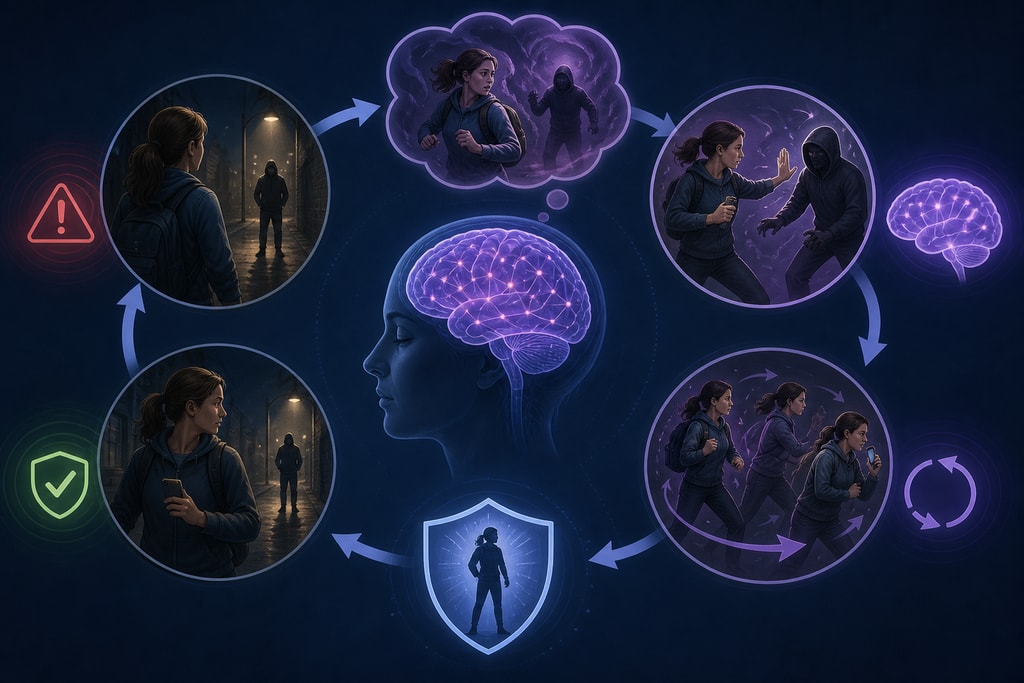
Threat Simulation Theory
This theory proposes that dreams function as rehearsals for real-life threats, allowing individuals to practice responses to potential dangers. Recurring dreams with threatening content may signify ongoing stress or unaddressed fears.
Emotional Regulation Theory
Dreams might assist in regulating emotions by processing and integrating emotional experiences. Recurring dreams rich in emotional content could reflect the mind's attempt to tackle unresolved emotional issues.
Internal Link: For more insights, explore our Dream Meanings Hub.
The Impact of Recurring Dreams on Well-being
Persistent recurring dreams, particularly those with negative emotions, can detrimentally affect sleep quality and overall mental health. If unaddressed, they might lead to heightened anxiety, stress, and even sleep disorders.
Practical Examples
A recurring dream about failing reflects existing insecurities about one’s professional abilities and might contribute to self-doubt during waking hours.
Effective Strategies to Address and Interpret Recurring Dreams
Dream Journaling
Keeping a dream journal can facilitate the identification of patterns and themes, offering insights into unresolved emotional issues.
Topic-Specific Advice: Record not only the dream content but also the emotions felt, both in the dream and upon waking.
Mindfulness and Stress Reduction
Practices like meditation and mindfulness can alleviate stress and anxiety, potentially reducing the frequency of distressing dreams.
Professional Therapy
Engaging with a mental health professional can offer strategies to address the root causes behind recurring dreams, especially if they stem from trauma or significant stressors.
Comprehensive Checklist: Managing Recurring Dreams

- Maintain a Dream Journal: Document dreams quickly after waking to discern patterns.
- Apply Relaxation Techniques: Incorporate activities like yoga or deep breathing into your routine.
- Establish Routine Sleep Practices: Ensure consistent sleep schedules to enhance sleep quality.
- Seek Professional Help: If distressing dreams persist, consult a therapist.
Frequently Asked Questions
Are recurring dreams normal?
Yes, recurring dreams are common and typically reflect unresolved issues or stressors.
Can recurring dreams predict the future?
There is no scientific evidence supporting predictive dreams, though they may highlight subconscious worries.
How can I stop having recurring dreams?
Addressing underlying emotional issues, reducing stress, and consulting professionals can help mitigate recurring dreams.
Do recurring dreams signify any particular disorder?
While not inherently indicative of a disorder, frequent distressing dreams might signal elevated stress or anxiety levels that could benefit from professional evaluation.
Conclusion
Understanding the emotional patterns found in recurring dreams offers crucial insights into our subconscious mind and unresolved emotional states. Recognizing and addressing these patterns empowers individuals towards emotional healing and improved sleep quality.
Explore further dream interpretations and insights by visiting our Dream Meanings Hub.
Sources and Further Reading
- Recurring Dreams: What Do They Mean? by Healthline
- Why You Keep Having Recurring Dreams by Sleep Foundation
- What Recurring Dreams Really Mean by Good Housekeeping
- Recurring Dreams: What They Mean and Why They Happen by Mattress Nut
- Here's What Your Recurring Nightmares Actually Mean by Time
Note: The information provided is for educational purposes and should not replace professional medical advice.