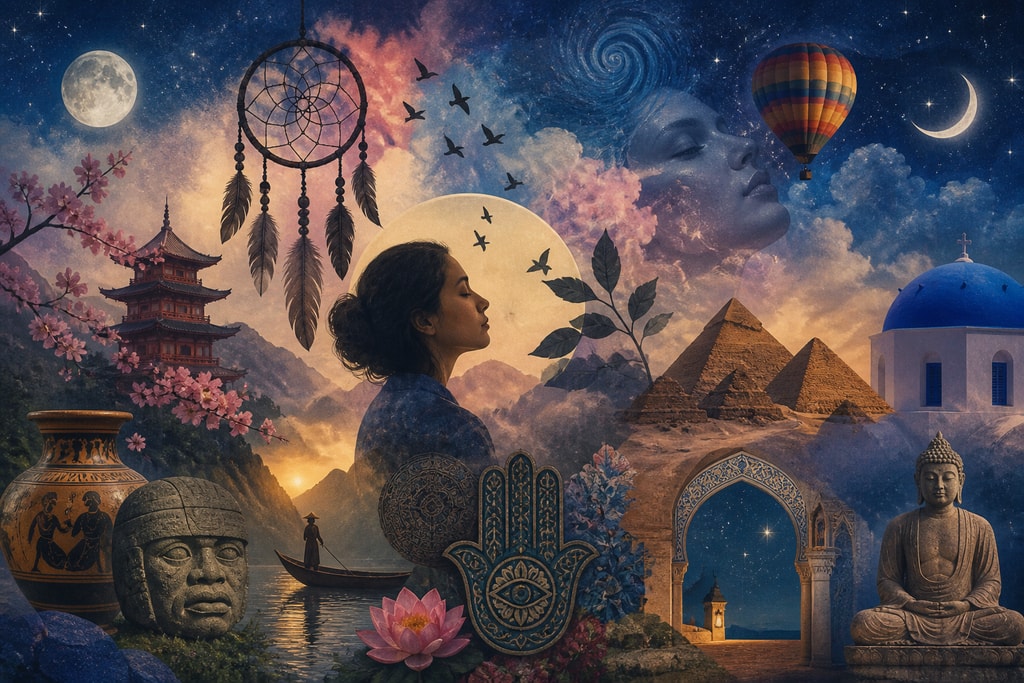
Dreams have captivated human imagination across centuries and continents. Each culture brings its own lens to interpret these nocturnal narratives, providing a unique mirror to societal values and personal insights. This guide delves into diverse cultural interpretations of dreams as understood, offering you practical examples and thoughtful perspectives.
The Universality of Dreams Although the experience of dreaming is universal, interpretations often reflect cultural influences.
This section examines how various cultures understand these shared experiences.
Indigenous Perspectives
Indigenous cultures often see dreams as portals to spiritual realms. For example, Native American traditions use dreams for guidance, healing, and teaching.
Western Psychological Views
In contrast, Western cultures often view dreams through a psychological lens, thanks to figures like Freud and Jung. Here, dreams connect to personal subconscious rather than collective spiritual guidance.
African Cultural Interpretations In
African traditions, dreams hold significant cultural and spiritual meaning, acting as bridges between the physical and spiritual worlds.
The Yoruba's Connection to Ancestors
The Yoruba in Nigeria believe dreams offer communication from ancestors. This belief fosters cultural continuity and personal direction.
Practical Example
In Yoruba culture, interpreting a dream about ancestors might involve reaching out to elders for guidance or adjusting life choices.
Common African Dream Symbols
- Snakes: Often symbolize transformation or latent fears.
- Water: Represents life changes and purification.
Asian Perspectives on Dream Interpretation
Asian cultures offer intricate interpretations, often linked to philosophy and energy dynamics.
Chinese Philosophy: Dreams Reflecting Qi
Traditional Chinese beliefs see dreams as reflections of one’s Qi. They provide insights into one’s spiritual and physical health.
Decision Criteria
Deciding if a dream warns of an energetic imbalance might involve consulting a traditional healer for advice.
Indian Spiritual Insights
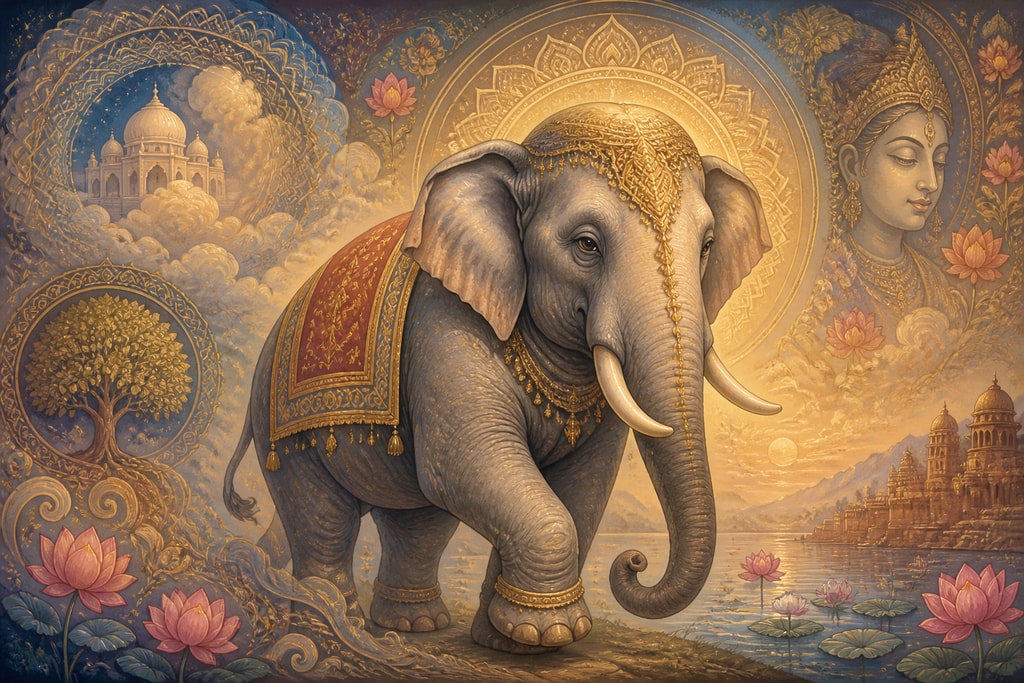
In India, dreams blend psychological aspects with divine messages. The Vedas suggest dreams can relay messages from the gods.
Common Asian Dream Symbols
- Dragons (China): Power, celestial strength.
- Elephants (India): Strength, memory, and wisdom.
Middle Eastern Interpretations In
Islamic tradition, dreams are seen as prophetic messages requiring careful interpretation.
The Prophetic Nature of Dreams in Islam
Dreams can offer guidance and predict future events, demanding skilled interpretation.
Mistakes to Avoid
Avoid self-interpreting without knowledge; seek guidance from an experienced dream interpreter.
Common Middle Eastern Dream Symbols
- Gardens: Signify divine reward and spiritual growth.
- Birds: May represent divine messengers.
European and Western Perspectives
Western interpretations continue to shape modern understandings of dreams through scientific and psychological lenses.
Jungian Analysis: A Window to the Unconscious
Carl Jung introduced the idea that dreams are direct links to our unconscious, filled with archetypes.
Example
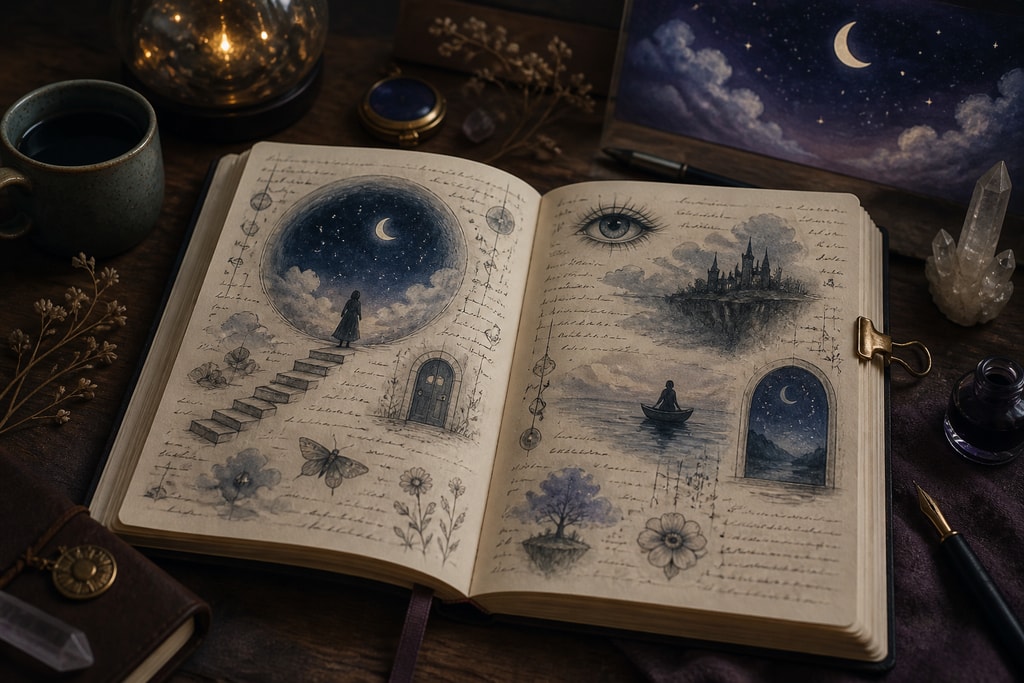
Utilizing a dream journal can help in deciphering personal symbols grounded in Jungian analysis.
Common Western Dream Symbols
- Flying: Implies freedom or escape.
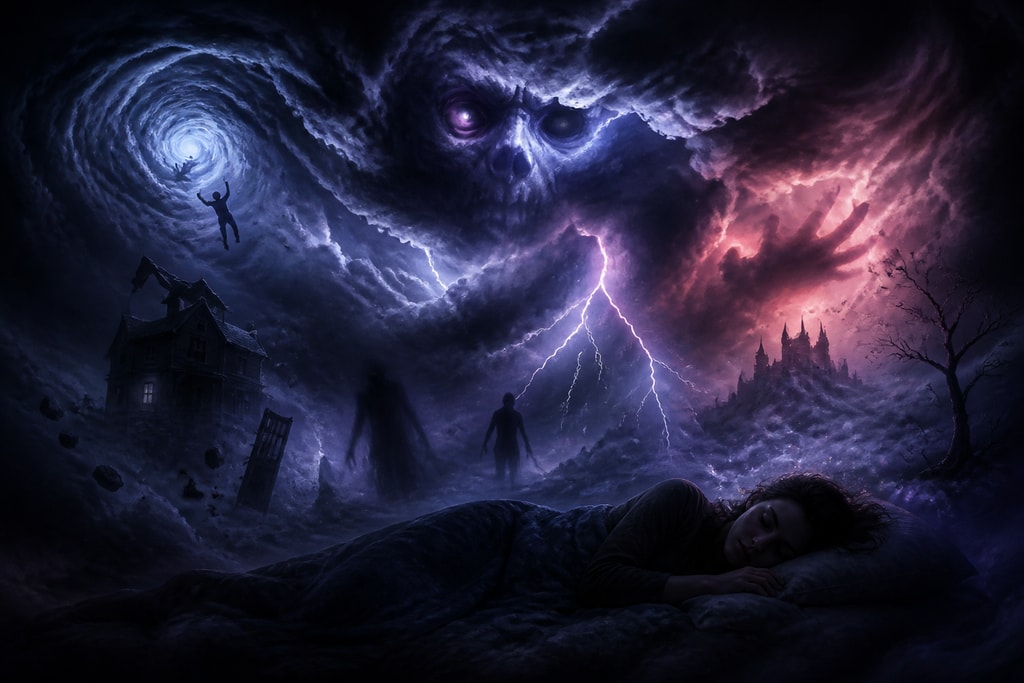
- Falling: Reflects anxiety or lack of control.
South American Cultural Significance In South America, indigenous tribes like the
Shuar use dreams to navigate daily life and community interaction.
Shuar’s Dream Interpretation for Healing
Incorporating dream insights helps in health diagnosis and community norms.
Common South American Dream Symbols
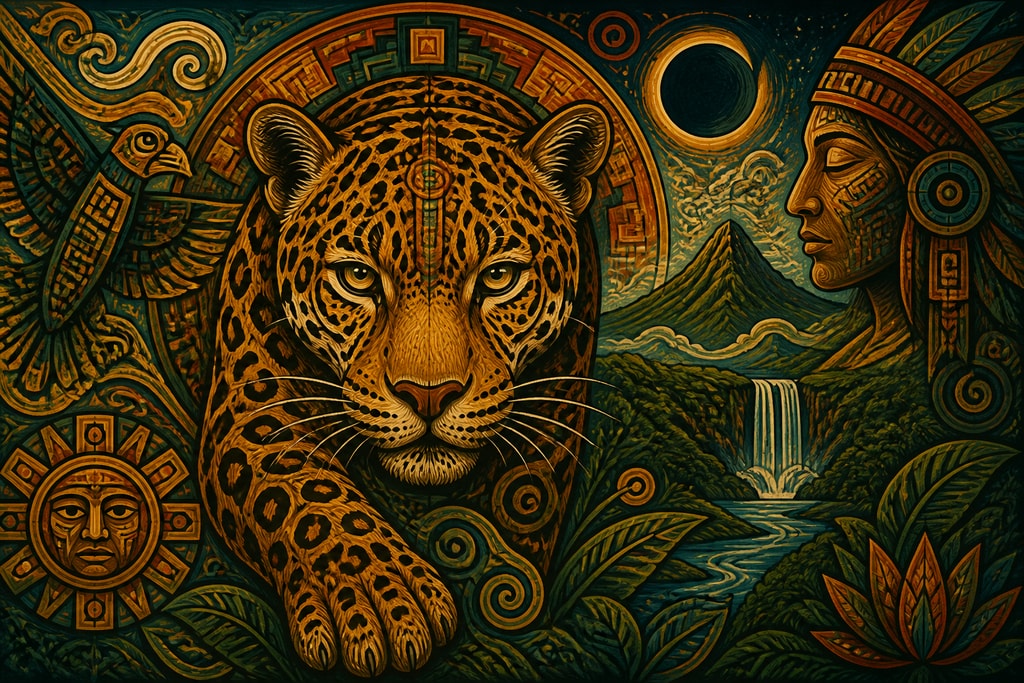
- Jaguars: Connote power and bravery.
- Mountains: Represent life's obstacles and aspirations.
Comprehensive Guide to Dream Symbols
Travel through this global checklist to uncover how diverse cultures embody dream symbols: | Region | Common Symbols | Meanings | |——–|—————-|———-| | Africa | Snakes, Water | Transformation, Cleansing | | Asia | Dragons, Elephants | Power, Wisdom | | Middle East | Gardens, Birds | Spiritual reward, Messages | | Europe | Flying, Falling | Freedom, Anxiety |
Understanding Dreams Today Unlocking the cultural keys to dream interpretation opens up new dimensions of self-discovery and cultural appreciation.
By recognizing these diverse interpretations, you enrich your personal journey and spiritual understanding.
FAQs **Q:
How can I start interpreting my dreams? A: Start with a dream journal for recording and exploring recurring themes. Consider using apps like Dreamscape for AI-enhanced insights. Q: Are dreams culturally universal? A: While common themes like fear and hope persist, cultural variations shape symbol meanings deeply. Q: Can dream symbols evolve? A: Yes, symbols adapt as societies grow, mirroring changing values and beliefs. Q: What role does Dreamscape play in modern dream analysis?** A: Dreamscape employs AI for personalized dream interpretation, blending ancient wisdom with technology.
Final Thoughts
Exploring cultural dream interpretations enriches our understanding of the human psyche. Tools like Dreamscape help bridge ancient traditions with modern insights, enhancing personal and spiritual growth.
Sources and Further Reading
- Womack, M. (2022). The Cultural Significance of Dreams. *Journal of Cultural Studies.*
- Chin, V. (2023). Dream Symbols in Chinese Culture. *Asian Folklore.*
- Abdi, H. (2021). Interpreting Dreams in Islamic Tradition. *Middle Eastern Studies Handbook.* For deeper dives into dream meanings, visit Dreamscape's dream meanings hub.